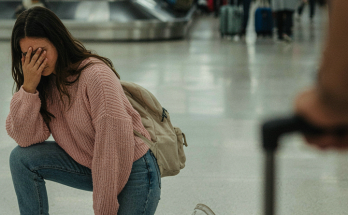
Chapter 1: The Pedicure and the Paradigm Shift
This is the chronicle of my own quiet, devastating coup d’état.
And then there was me. Harper.
By day, I was a highly successful, remote financial consultant. I managed eight-figure portfolios for international tech executives from the shadowy confines of my childhood bedroom. By night, and on every weekend, holiday, and waking moment in between, I was the family’s unpaid maid, personal chef, and bottomless ATM.
My father, Richard, was a ghost of a man who permanently resided in his mahogany-paneled study, hiding behind a decanter of Scotch and a mountain of silence to avoid his wife’s wrath. He had long ago surrendered his spine, and by extension, he had surrendered me.
The psychological conditioning of a family scapegoat is a slow, insidious poison. You are taught from infancy that your worth is strictly tied to your utility. If I paid the exorbitant property taxes, I was tolerated. If I cooked a perfect Coq au Vin for Beatrice’s book club, I was ignored rather than insulted. But no amount of financial sacrifice or domestic servitude could ever buy their respect. The abuse wasn’t always screaming matches; more often, it was the casual, suffocating erasure of my humanity.
The inciting incident didn’t arrive with a dramatic explosion, but with a horrifyingly casual sip of champagne.
It was a humid Friday afternoon, the day before Father’s Day. I was in our grand kitchen, wiping down the vast expanse of the Calacatta marble island for the third time. Beatrice was sitting on a velvet barstool, sipping a chilled mimosa while a visiting technician, a sweet woman named Maria, scrubbed her feet in a copper basin. Savannah was draped across the adjacent living room sofa, mindlessly scrolling through her phone, her perfectly manicured fingers tapping out a rhythm of absolute boredom.
“Savannah’s VIP group from the Oakbridge Yacht Club is coming tomorrow for a Father’s Day brunch,” Beatrice sneered, her voice slicing through the quiet hum of the refrigerator. She didn’t even bother to look up at me. She addressed her reflection in the dark screen of a dormant television.
I paused my wiping. “Tomorrow? Beatrice, that’s incredibly short notice. And Father’s Day? None of these people are fathers.”
“It’s a brunch themed around celebrating the patriarchal figures in our lives, Harper. Try to keep up,” Savannah chimed in, not looking up from her screen. She giggled, a malicious, grating sound.
“It’s only twenty-five people,” my mother continued, waving her hand dismissively, nearly spilling her mimosa. “We need you to cook, clean, and bow.”
The rag in my hand went perfectly still. I stared at the back of her meticulously highlighted head. Bow.
“You will prepare the five-course menu we discussed last month for the summer solstice party,” Beatrice dictated, her tone dripping with a dark, relishing satisfaction. She was enjoying this. She was actively savoring the humiliation she was inflicting upon me. “Oh, and wear that plain black dress. The high-necked one. When you serve Savannah’s friends, I want you to bow slightly as you clear their plates. We need to project old-money elegance, and frankly, you’re much better suited for the background, darling.”
Savannah let out a loud, snorting laugh, kicking her legs up onto the velvet cushions. “Seriously, Harper. Don’t speak unless spoken to. These are important people. I don’t want you ruining my aesthetic with your… vibe.”
For three decades, my response to these moments had been a predictable cycle of frantic defense. I would have argued. I would have cried. I would have pointed out that I paid the electricity bill keeping the wine fridge cold, that I had funded Savannah’s latest trip to Tulum, that I was a human being with a pulse and a soul.
But in that exact second, something inside my chest simply stopped.
It wasn’t a breaking of my spirit; it was the snapping of a lifelong, rusted chain. The cognitive dissonance shattered. The desperate, pathetic hope that they would one day love me evaporated into the sterile air of the kitchen. I looked at my mother’s haughty profile. I looked at my sister’s lazy, entitled smirk. I saw them not as family, but as parasites. Vicious, incompetent parasites who had mistaken my trauma-bonded loyalty for weakness.
The air in my lungs crystallized into something sharp and brilliant. I didn’t feel anger. I felt a sudden, profound, and terrifying internal click. I felt absolute, icy clarity.
I slowly turned to face my mother, pulling my lips back into a chillingly placid, completely unreadable smile—a smile she couldn’t possibly comprehend because she had never seen me without my armor of anxiety.
“Of course, mother,” I whispered, my voice smooth as glass. “Whatever you say.”
Beatrice finally glanced over her shoulder, her brow furrowing for a fraction of a second at my serene tone, before she dismissed it, returning her gaze to her freshly painted toenails. “Good. Start prepping the truffles.”
I turned on my heel and walked out of the kitchen. My footsteps made no sound on the hardwood floors. I climbed the grand, sweeping staircase to my bedroom, locked the heavy oak door behind me, and walked straight to my desk.
I didn’t look at the bed I had slept in since childhood. I didn’t look at the walls that had absorbed thirty years of my silent tears. Instead, I dropped to my knees, reached under the floorboard beneath my desk, and pulled out a heavily sealed, thick manila envelope. I traced my fingers over the wax seal. It was a secret I had guarded for five years, a secret that was about to burn my family’s fabricated social standing straight to the bedrock.
Chapter 2: The Midnight Ghost
The house died at midnight. The rhythmic snoring of my father vibrating through the floorboards and the soft, ambient glow of Savannah’s string lights bleeding under her door were the only signs of life.
At 2:00 AM, I became a ghost.
I pulled a sleek, hard-shell suitcase from the depths of my closet. I did not pack clothes for a weekend; I packed for a resurrection. I took only the essentials: my laptop, my encrypted hard drives, my passport, my birth certificate, and the few pieces of jewelry that had belonged to my late grandmother—the only woman in this lineage who had ever looked at me with genuine warmth. Everything else—the designer clothes Beatrice had forced me to buy to “fit in,” the awkward photographs of family vacations where I was always standing slightly outside the frame—I left behind to rot.
Downstairs, the kitchen was a monument to impending doom. Earlier that evening, Beatrice and Savannah had spent hours laughing, drinking imported Pinot Noir, and loudly plotting the seating arrangements for their grand party, entirely unaware that the foundation of their lives was being meticulously dismantled directly above their heads.
I crept down the stairs, carrying my suitcase. I walked into the kitchen and set to work. I didn’t just clean it; I sterilized it. I scrubbed the marble countertops until they gleamed like wet ice. I dried the stainless steel sinks so not a single water spot remained. Then, I opened the massive, industrial refrigerator.
It was stocked with the ingredients I was supposed to use for the five-course brunch: heavy cream, wild-caught salmon, bundles of fresh asparagus, imported caviar, and cartons of organic eggs. Methodically, silently, I bagged every single item. I bagged the flour, the sugar, the coffee beans. I hauled three heavy trash bags out the back door, walking a quarter-mile down the driveway in the drizzling rain, and threw them into the neighbor’s commercial dumpster.
When I returned, the kitchen was immaculately, terrifyingly empty. It looked like a showroom in a sterile furniture catalog. In the exact center of the vast kitchen island, I placed a single, empty silver serving platter. The reflection of the recessed lighting glared off its polished surface—a blinding void.
At 3:15 AM, the headlights of my Uber swept across the manicured front lawn. I slipped out the side door, locking it behind me, and stepped into the humid Connecticut night. I didn’t look back.
By 4:30 AM, I was sitting in the airport terminal, bathed in the harsh, fluorescent lights of freedom. The terminal was mostly empty, save for a few weary travelers and the hum of floor polishers. I opened my laptop and connected to the encrypted Wi-Fi.
With a few swift, deliberate keystrokes, I logged into my primary banking portals.
My finger hovered over the trackpad. For years, I had justified this financial bleeding. They need me. If I don’t pay for it, the house goes into foreclosure. If I don’t give Savannah the card, Beatrice will scream at me for days. I had sacrificed my own youth, my own savings, to prop up their narcissistic illusions.
I navigated to the ‘Authorized Users’ tab on my platinum American Express account.
Beatrice Montgomery – Card ending in 4492.
Savannah Montgomery – Card ending in 8815.
I clicked Remove.
A prompt appeared: Are you sure you want to permanently revoke access for this user? This action cannot be undone online.
I didn’t hesitate. I clicked Confirm.
I did the same for the Visa Black card they used for their country club incidentals. I logged into the joint checking account I had foolishly allowed Beatrice access to “for household emergencies” and transferred the entire balance—every single cent—into a new, secure offshore account under my name alone. I left them with an exact balance of $0.00.
I closed the laptop, a profound, physical lightness washing over my shoulders. I felt lighter than air. I ordered a pre-flight dry martini from the terminal lounge bar, sipping the cold, sharp gin as the sun began to bleed purple and gold over the tarmac.
I boarded my first-class flight to Miami, Florida. I was trading the suffocating, cold wealth of New England for the balmy, chaotic warmth of the South. A new life.
As the wheels of the Boeing 737 left the ground, pressing me back into the plush leather seat, I closed my eyes. A thousand miles away, in the quiet, damp dawn of Connecticut, Beatrice shifted in her silk sheets. She reached out, her eyes still closed, and rang the small silver bell on her nightstand for her morning coffee.
Ring. Ring. Ring.
The only answer she would receive was the deafening, hollow echo of a permanently abandoned house.
Chapter 3: Starving the Narcissists
The air in South Beach hit me like a warm, welcoming embrace the moment I stepped out of the airport. The smell of salt, sunscreen, and distant Cuban espresso completely obliterated the lingering scent of my mother’s expensive, suffocating perfume.
I checked into a luxury oceanfront suite, walked out onto the sun-drenched balcony, and breathed. Truly breathed. For the first time in thirty years, my lungs expanded to their full capacity.
It was 9:00 AM in Connecticut. The Father’s Day brunch was scheduled for noon.
I poured myself a glass of iced coffee, sat in a plush lounge chair overlooking the turquoise Atlantic, and picked up my phone. I didn’t need to wonder what was happening back north. I opened my home security app. I had installed the discreet indoor cameras myself two years ago, ostensibly to “monitor the contractors” during a renovation, but really to keep a record of Beatrice’s gaslighting. Today, they would serve as my private theater.
I tapped on the kitchen feed.
The audio was crystal clear. Beatrice was marching into the frame, her face wrapped in a terrifying scowl. She was wearing a matching silk robe, her hair perfectly coiffed, tightly gripping her silver bell.
“Harper! Where is my latte?!” Beatrice screamed, her voice cracking with indignation as she surveyed the immaculate, barren kitchen. “I rang five minutes ago! You are already behind schedule for the—”
She stopped dead in her tracks. Her eyes locked onto the empty silver platter in the center of the island.
Savannah trailed in behind her, wearing a sheer designer kimono, her face masked in an expensive, pale-green clay cream. “Ugh, Mom, why are you yelling? My head hurts.” Savannah stopped, rubbing her eyes. She looked at the gleaming, empty counters. She walked over and yanked open the massive refrigerator door.
“Mom?” Savannah’s voice lost its lazy drawl, replaced by a sudden, sharp tremor of genuine confusion. “Where is the food? Where is the caviar? Where are the eggs?”
“What do you mean where is the food?” Beatrice snapped, rushing over. She stared into the cavernous, brilliantly illuminated, entirely empty refrigerator.
Panic, raw and unadulterated, began to set in. Beatrice spun around, her eyes darting wildly. “Harper! HARPER!” she shrieked, sprinting toward the back stairs. I watched on the second-floor hallway camera as she pounded on my locked bedroom door. Finding it unlocked, she burst in, only to find the closet empty, the desk cleared, and the bed perfectly made.
She ran back down to the kitchen, hyperventilating. “She’s gone. The little bitch actually left.”
“Mom, my friends are going to be here in three hours!” Savannah shrieked, the green clay on her face cracking around her mouth. “The yacht club girls! Chloe and Madison! There’s no food! There’s no caterer!”
“Calm down!” Beatrice barked, though her hands were shaking violently as she pulled her phone from her pocket. “We don’t need her. We will just order an emergency spread. We’ll get Le Petit Bistrot to deliver their platinum brunch package. It’s fine. We have money.”
I smiled, taking a slow sip of my iced coffee. The ice clinked pleasantly against the glass.
On the screen, Savannah grabbed her phone. “I’m calling them right now.” She dialed frantically, pacing the kitchen floor. “Yes, hi, Le Petit? I need your largest catering spread delivered to the Montgomery estate in Greenwich immediately. Yes, the two-thousand-dollar one. Put it on the Visa ending in 8815.”
A pause. Savannah’s brow furrowed. “What do you mean, declined? Try it again. It’s a Black card, you idiot.” Another pause. Her voice went up an octave. “Declined again? Fine, let me give you my Amex.” She rattled off the numbers.
She waited. The color drained from her neck. “Declined? That’s impossible.”
Beatrice snatched the phone. “Listen to me, you incompetent peasant, run my card. Amex ending in 4492.” Beatrice waited, her chest heaving. “Declined? How dare you! Do you know who I am?!” She threw the phone onto the marble counter with a violent crack.
“Mom, what is happening?!” Savannah was crying now, actual tears ruining her expensive face mask. “Call her! Call Harper!”
I watched them both frantically dial my number. My phone, sitting on the table beside me in Miami, didn’t even vibrate. I had already ported my number, leaving my old SIM card snapped in half in a Connecticut trash can. They were getting a sterile, automated voice: The number you have reached is disconnected or is no longer in service.
While they spiraled into a vortex of financial and social terror, a notification pinged on my laptop screen. It was an email from my attorney, Mr. Sterling.
Subject: Execution of Documents Confirmed.
Message: Harper, the wire transfer has cleared. Apex Commercial Developments officially took possession of the property at 8:00 AM EST. The process server is en route to deliver the eviction and default notices. Enjoy the sunshine.
I closed the laptop and leaned back, closing my eyes against the brilliant Miami sun. The appetizer had been served. Now, it was time for the main course.
Back in Connecticut, the heavy mahogany doorbell chimed a cheerful, melodic, and terrifyingly punctual tune. Savannah, trembling with anxiety and still wearing her silk pajamas, rushed to the foyer, expecting her elite guests. She threw open the heavy doors, forcing a panicked, fake smile.
But it wasn’t Chloe or Madison. It was a grim-looking man in a cheap, gray poly-blend suit, holding a very thick, very official-looking clipboard.
Chapter 4: The Process Server’s Symphony
I switched the camera feed to the grand foyer.
The timing was something out of a masterclass in divine retribution. Just as the man in the gray suit stepped onto the welcome mat, a convoy of gleaming black Range Rovers, white G-Wagons, and sleek Porsche Cayennes began to pull into the circular driveway.
Savannah froze, her hand gripping the brass doorknob so hard her knuckles turned white. “Who are you?” she stammered, frantically looking past him at the luxury vehicles parking on the gravel. “You can’t be here! My guests are arriving!”
“Are you Savannah Montgomery?” the man asked, his voice bored, loud, and brutally official.
“Yes, but—”
Beatrice materialized behind her daughter, her face a mask of desperate aristocratic fury. “What is the meaning of this? Get off my property! Savannah, close the door, the girls are walking up!”
Indeed, twenty-five young, impeccably dressed women in pastel linen suits, designer sundresses, and oversized sunglasses were stepping out of their cars. They were holding expensive bottles of Veuve Clicquot and artisanal gift baskets for a Father’s Day brunch that did not exist. They gathered on the bluestone steps, their lively chatter dying instantly as they took in the bizarre scene at the doorway: Savannah in pajamas with cracked green paste on her face, Beatrice in a bathrobe looking unhinged, and a man blocking the entrance.
“Are you Beatrice Montgomery?” the man asked loudly.
“I am the lady of this house, yes!” Beatrice hissed, trying to physically push past him to wave at the guests. “Hello, ladies! Just a tiny misunderstanding with a delivery!”
“Beatrice and Savannah Montgomery, you are hereby served,” the man stated, his voice booming. He didn’t hand them the clipboard; he practically slammed a thick stack of manila folders into Beatrice’s chest. Instinctively, she grabbed them to keep them from falling.
The guests on the steps gasped. A collective, electrified whisper rippled through the crowd. Phones were subtly lowered to hip level, cameras undoubtedly recording.
“What is this?!” Beatrice shrieked, tearing open the top envelope.
I watched the exact moment my mother’s reality fractured. Her eyes scanned the bold legal print.
Here was the ultimate secret, the nuclear warhead I had kept buried beneath my floorboards for five years: I didn’t just pay the bills for the Montgomery estate. I owned it.
When my grandfather Arthur—the patriarch who had actually built the family wealth—died, he knew his son Richard was a coward and his daughter-in-law Beatrice was a financial parasite. He bypassed them entirely. In a highly confidential trust, he left the title of the estate, and the remainder of his liquid assets, solely to me, the only grandchild who had ever shown an ounce of fiscal responsibility or genuine care for him in his final days. I had allowed my parents to live there, allowed them to maintain their delusion of grandeur, simply to keep the peace. To buy their love.
I wasn’t the maid. I was the landlord. And yesterday, I had sold the property to Apex Commercial Developments, a ruthless firm planning to bulldoze the Tudor mansion to build luxury condominiums.
“This property was legally sold yesterday by the sole titleholder, Harper Montgomery,” the process server announced, raising his voice so the entire yacht club VIP list could hear every single word. “The new management company requires all occupants to vacate the premises within seventy-two hours. The locks will be changed on Tuesday at noon.”
“No… no, that’s a lie!” Beatrice stammered, the heavy papers slipping from her hands and scattering across the marble floor like dead, white leaves. “We own this house! Richard!” she screamed toward the stairs. “RICHARD!”
“Furthermore,” the process server continued ruthlessly, pulling out a second document, “notice of your defaulted personal loans, totaling four hundred and fifty thousand dollars, which were previously guaranteed by the former homeowner, Harper Montgomery, are included in this packet. The guarantor has legally withdrawn support. The bank will be initiating asset seizure on your vehicles by Monday.”
Savannah’s wealthy friends took a collective step back. Chloe, Savannah’s supposed best friend, audibly scoffed. “Oh my god. They’re broke. They’re literally getting evicted.”
“She was faking it,” another whispered loudly. “Her sister owned the house the whole time? The sister she treated like a servant?”
Savannah let out a guttural, wounded animal noise. She looked at her friends, her social lifeline, her entire identity. She saw only mocking, judgmental eyes. The girls she had sacrificed my mental health to impress were looking at her like she was a diseased rat. They were already turning around, walking briskly back to their G-Wagons, eager to spread the absolute ruin of the Montgomery family to the entire Greenwich country club circuit.
Beatrice turned an ashen, sickly pale. She slowly slumped against the grand staircase, her legs giving out. She looked up, her mouth opening and closing soundlessly.
I followed her gaze on the camera. Standing at the top of the stairs was my father, Richard.
He was fully dressed in a tailored suit. In his right hand, he clutched a large leather suitcase. He didn’t look surprised. He looked utterly resigned. He walked slowly down the stairs, stepping carefully over the legal documents scattered across the floor.
“Richard?” Beatrice whispered, her voice broken. “Do something. Call the lawyers. Stop this.”
Richard paused at the bottom of the stairs. He looked down at his wife of thirty-five years. “Arthur told me before he died, Bea. I knew Harper owned it. I knew the money was running out. I just… I couldn’t listen to you scream about it anymore.”
He walked past her, out the front door, and down the driveway, disappearing into the morning mist, abandoning them to the wreckage of their own making.
Beatrice let out a scream so loud, so filled with absolute, demonic rage, it distorted the camera’s microphone. She looked wildly around the foyer, her eyes finally locking onto the small, black dome of the security camera hidden in the chandelier molding. She realized I was watching. She grabbed a heavy bronze statuette from the console table, wound up her arm, and hurled it directly at the lens.
The screen flashed bright white, then went permanently, blissfully black.
In Miami, the silence in my hotel room was profound. I sat still for a long moment, the ghost of my mother’s scream fading from my ears. Then, my new phone vibrated on the glass table. A text from an unknown number.
Harper. It’s Savannah. Mom is breaking things. We have no money. The cars are gone. Please. I’m scared.
Chapter 5: Ashes and Ocean Breeze
I stared at the text message. For a brief, terrifying second, the old, conditioned reflex flared in my chest—the urge to fix it, to soothe, to sacrifice myself to stop their pain. But then I looked out at the vast, shimmering ocean. I remembered the command: Cook, clean, and bow.
I deleted the text. Then, with the calm, steady hand of a surgeon cutting away a necrotic tumor to save the rest of the body, I navigated to my contacts and permanently blocked Savannah’s number. I blocked Beatrice. I blocked Richard. I severed the diseased limbs, cauterized the wounds, and finally, I was whole.
The following Tuesday, a severe thunderstorm rolled through Connecticut. I didn’t need cameras to know what happened; a former neighbor, a kind elderly woman who had always pitied me, texted me a series of photos.
Through the pouring rain, Beatrice and Savannah were forced to physically carry their fake designer bags and whatever meager belongings they could fit into a cheap, rented, rust-spotted moving van. The sheriff’s deputies stood by the front door, arms crossed, ensuring the eviction mandate was followed. The neighbor wrote: The whole street is watching. Beatrice tried to argue with the police. They threatened to handcuff her. They’re gone, Harper. You’re free.
They had nowhere to go but a cramped, run-down motel on the edge of the interstate, a place where the neon sign hummed violently and the carpets smelled of bleach and despair. Savannah was instantly excommunicated from her yacht club circle. Beatrice was permanently blacklisted from the country club. Their social deaths were absolute and irreversible.
A thousand miles south, the sun was shining brilliantly over Miami.
I stood in the center of an empty, massive commercial space in the trendy Wynwood district. The walls were exposed brick, the floors polished concrete. The floor-to-ceiling windows flooded the space with golden light. Beside me stood a real estate agent, holding out a silver pen.
I signed my name at the bottom of the commercial lease.
This was Lumina, my new high-end culinary catering and private chef business. I was no longer cooking in the shadows to bolster my mother’s fake prestige. I was stepping into the light. I had taken the capital from the sale of the Connecticut estate and invested it entirely in myself.
I walked into what would become the state-of-the-art kitchen. I took a deep breath, inhaling the scent of the nearby ocean and the imaginary aroma of fresh basil, roasting garlic, and simmering wine. I didn’t feel guilt. I didn’t feel anger. I felt a radical, refreshing indifference toward the people who had birthed me. The opposite of love isn’t hate; it’s apathy. They simply no longer existed in my universe.
As I began to sketch out the layout for my prep stations—dreaming of a brilliant, vibrant array of colors and flavors I was never allowed to cook in the sterile, beige world of Connecticut—my phone vibrated on the stainless steel counter.
It was an email from a prominent Miami food critic I had reached out to weeks ago, offering a private tasting. My heart skipped a sudden, unexpected beat as I read the subject line: Re: Lumina Tasting – Let’s Talk.
I smiled. The prologue was over. The story was finally mine to write.
Chapter 6: Taking a Bow
One year later.
It was a warm, stunning Sunday afternoon. Father’s Day.
The dining room of Lumina, which had evolved from a catering business into a wildly successful waterfront restaurant, was bustling with joyous families. The clinking of crystal glasses, the rich aroma of seared wagyu and white truffle, and the bright, melodic sound of genuine laughter filled the air.
I walked through the dining room wearing a tailored, brilliant white chef’s coat. I radiated a confidence and grace I hadn’t known I possessed. Patrons smiled warmly at me, raising their glasses in silent toasts. I wasn’t in the background anymore. I was the center of it all. I had built a chosen family here—my sous-chefs, my waitstaff, friends who loved me for my mind and my heart, not for the size of my wallet or my ability to endure abuse.
I stepped away from the floor and slipped into my private, air-conditioned office overlooking the water. I sat at my mahogany desk and opened my laptop to review the evening’s reservations.
Out of habit, I glanced at my spam folder. A new email had slipped through the filters, sent from a burner address.
I clicked it open, feeling nothing but mild anthropological curiosity.
It was a sprawling, desperate manifesto. Beatrice’s digital voice was manic. She blamed the government, the economy, her friends, and me for her situation. She complained about the paper-thin walls of her tiny, roach-infested apartment in a grim industrial town. She begged for a wire transfer, just a few thousand dollars to “get back on her feet.” She ended the email by saying she forgave me for my “betrayal” and was ready to let me be a part of the family again.
I didn’t even read past the first paragraph. I felt a brief, fleeting pang of pity, not for the woman, but for the agonizing prison of narcissism she would never escape.
I moved my cursor. I clicked Empty Spam.
With a silent, digital whoosh, my mother’s words were permanently erased, vaporized into the digital abyss.
I closed the laptop. I poured myself a glass of vintage champagne and walked out onto my private balcony. The vast, shimmering Atlantic Ocean stretched out before me, endless and full of impossible potential. The late afternoon sun painted the horizon in strokes of violent orange and soft, bruised purple.
I raised my glass to the horizon, the golden hour sun catching the crystal rim, reflecting a blinding, beautiful light. I was fully aware that the greatest, most profound chapters of my life were entirely unwritten, and for the first time ever, the pen was solely in my hands.
I took a slow sip of the champagne. The ocean breeze caught my hair.
“They wanted me to bow,” I whispered to the wind, a genuine, beautiful smile breaking across my face. “So I took a bow, and the curtain closed on them forever.”