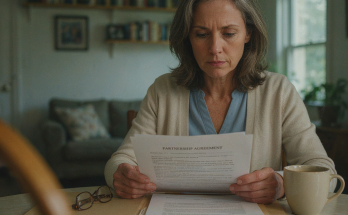
When I was sixteen, my father crumpled my art school acceptance letter in his fist and threw it onto the kitchen table.“Get out.”I stared at him.He pointed toward the front door.
“And don’t come crawling back when you fail.”The room went completely silent.My mother sat three feet away, her hands folded in her lap.
She didn’t defend me.She didn’t even look at me.
My father had always believed art was something people did when they had failed at becoming useful.
To him, success meant numbers.A stable salary.A respectable title.A house in a good neighborhood.A retirement account.Art meant uncertainty.Art meant embarrassment.
And now his daughter had been accepted into the most prestigious art program I’d ever dreamed of attending.
I had spent years drawing in the margins of my homework.
Painting portraits of strangers at the bus stop.
Sketching old buildings while my classmates went to football games.I had never asked my parents to understand it.I only wanted them to let me try.Instead, my father laughed when he saw the acceptance letter.
“You’re throwing away your future for this?”“This is my future,” I whispered.His expression hardened.“No. It’s a fantasy.”Then came the words that would change my life.
“Get out.”I looked at my mother.“Mom?”She lowered her eyes.
That hurt more than anything my father had said.
I went upstairs.I packed three sketchbooks.
Two changes of clothes.A toothbrush.
The little silver necklace my grandmother had given me.
And $1,186 in cash I’d saved from babysitting, selling drawings, and working weekends at a coffee shop.
Before leaving, I found the crumpled acceptance letter on the kitchen table.
I carefully flattened it.
Folded it.
And slipped it under my jacket.
Then I walked out.
I never asked them for money.
Not once.
For twelve years, my parents believed I had failed.
They were wrong.
They just never bothered to find out.
The first night away from home, I slept in a tiny room above a bakery.
The ceiling leaked.
The window wouldn’t close completely.
At five every morning, I woke to the smell of bread and the sound of delivery trucks.
But I was free.
I enrolled in art school using scholarships, grants, and every job I could find.
I waited tables.
I cleaned galleries after closing.
I painted commissioned portraits.
I restored old frames.
I learned how to appraise antiques.
And eventually, something unexpected happened.
I discovered that I didn’t just love creating art.
I loved discovering the stories hidden inside old objects.
A chipped Victorian mirror.
A forgotten oil painting.
A carved wooden cabinet.
A porcelain vase with a hairline crack.
Every object had a history.
Every object had survived something.
I understood that.
So I started buying abandoned antiques at estate sales and restoring them.
At twenty, I sold my first restored piece for $4,800.
At twenty-two, I opened a tiny gallery in Seattle.
It was barely 900 square feet.
The roof leaked.
The heating system sounded like an airplane.
But people came.
Then they came back.
Then they brought friends.
Within three years, I had two galleries.
Then four.
Then seven.
By the time I was twenty-eight, I owned a chain of antique galleries across Washington, Oregon, and California.
But I didn’t stop there.
I began buying distressed commercial properties.
Then historic buildings.
Then warehouses.
Eventually, I founded a holding company that purchased and renovated properties for small businesses.
One of those properties became the headquarters of a financial company.
Another became a regional bank branch.
And through a complicated series of acquisitions, partnerships, and commercial loans, my company eventually acquired a controlling interest in the bank that held mortgages for thousands of customers.
Including one mortgage I didn’t know existed.
My parents’ mortgage.
I had never looked for them.
I never searched their address.
I never tried to discover whether they were rich or poor.
I had made one promise to myself the night I left.
I would never become obsessed with proving my father wrong.
I would simply build a life so complete that his opinion no longer mattered.
And for years, it worked.
Until one Tuesday morning.
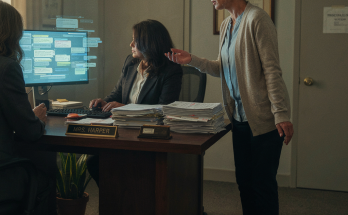
I was sitting behind my desk at the headquarters of Hawthorne Heritage Holdings when my assistant, Claire, walked in.
She carried a tablet.
“Your eleven o’clock appointment has arrived.”
I looked up.
“Who is it?”
She hesitated.
“A couple.”
“Names?”
She glanced at the screen.
“Robert and Linda Bennett.”
My heart stopped.
Not because I was surprised.
Because I knew those names immediately.
My parents.
For twelve years, I had imagined what it would feel like to see them again.
Anger.
Sadness.
Maybe satisfaction.
But nothing prepared me for the strange calm that settled over me.
I leaned back.
“Why are they here?”
“They requested an emergency meeting with the CEO.”
“Do they know who the CEO is?”
“No.”
Claire frowned.
“They believe they’re meeting with someone from the bank’s executive office.”
I almost laughed.
My father had spent his entire life believing people like me didn’t matter.
Now he had made an appointment to beg someone like me for mercy.
“Send them in.”
Claire looked surprised.
“Are you sure?”
“Yes.”
She nodded and left.
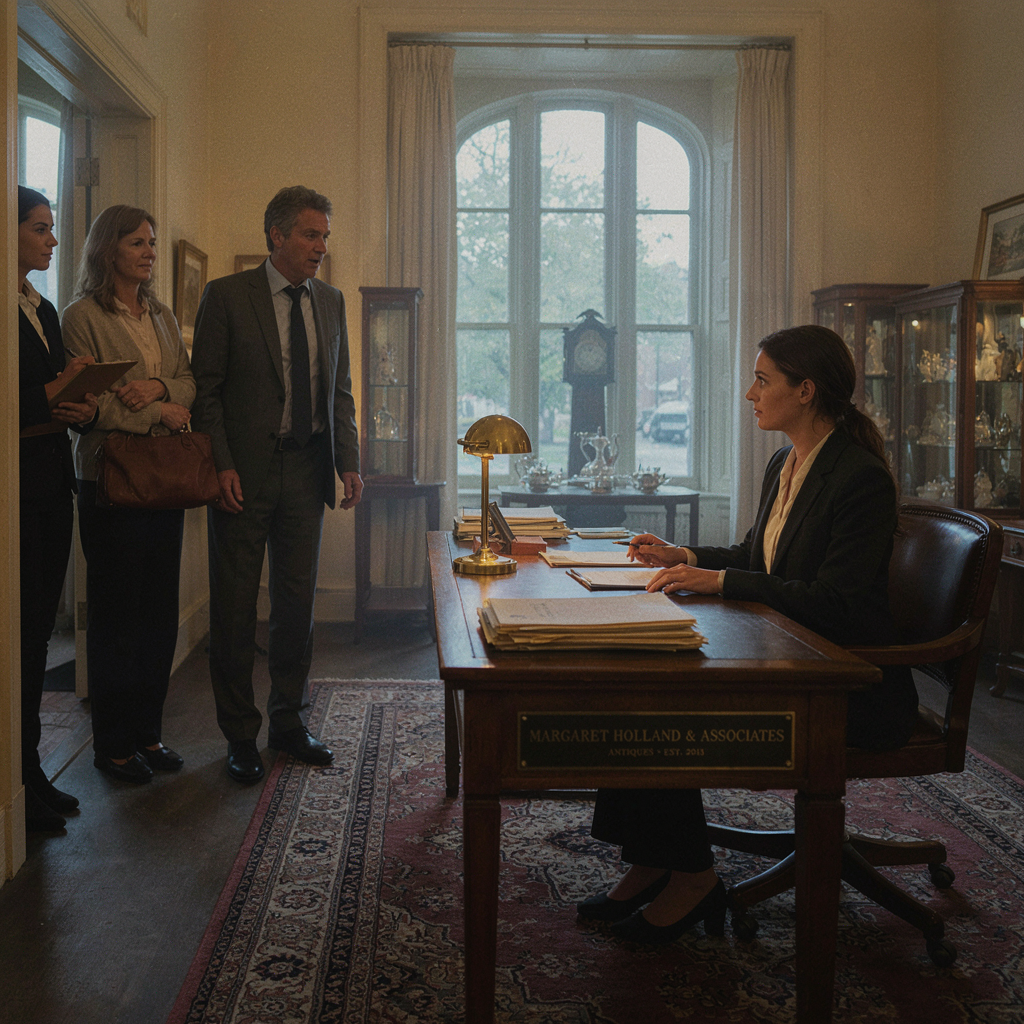
A minute later, the doors opened.
My mother entered first.
She looked older.
Much older.
Her hair, once dark brown, was now mostly gray.
Her shoulders were bent slightly forward.
My father followed.
He had lost weight.
His expensive suits were gone.
He wore a plain gray jacket that didn’t fit properly.
For several seconds, neither recognized me.
Then my father looked directly at me.
His face changed.
It wasn’t gradual.
It was as though someone had switched off the lights inside him.
His mouth opened.
No words came.
My mother stared.
Her hand flew to her chest.
“Emily?”
I nodded.
“Hello, Mom.”
My father took one step backward.
“No.”
I folded my hands on the desk.
“Hello, Dad.”
He stared at me.
“You…”
His voice cracked.
“You’re the CEO?”
“Yes.”
Silence.
My mother sat down without being invited.
My father remained standing.
I could see the question in his eyes.
How?
When?
Why?
But beneath all of them was something else.
Fear.
Twelve years earlier, my father had told me I would come crawling back.
Now he was standing in my office.
And he was the one who needed help.
Claire had already given me the file.
My father had worked for the same manufacturing company for thirty-one years.
Three months earlier, the company had shut down its local plant.
He received a small severance package.
My mother had been dealing with mounting medical expenses.
Their savings were almost gone.
They were behind on their mortgage.
Two payments.
Then three.
The bank had sent them a foreclosure warning.
My father had tried everything.
He had applied for jobs.
He had called old colleagues.
He had sold his second car.
They had emptied their retirement account.
Nothing was enough.
And now their mortgage was owned by one of the financial institutions under my company’s control.
My father finally spoke.
“We were told the CEO could authorize a restructuring.”
“I can.”
He swallowed.
“We’re not asking for the debt to disappear.”
My mother looked at him.
“We just need time.”
I said nothing.
My father stared at the floor.
“We’ve always paid our bills.”
I almost smiled.
“You haven’t always paid mine.”
His head snapped up.
“What?”
I leaned forward.
“You told me to get out when I was sixteen.”
My mother’s eyes filled with tears.
“I know.”
“No,” I said quietly. “I don’t think you do.”
My father sat down.
“I was angry.”
“You were cruel.”
He closed his eyes.
“I was scared.”
I hadn’t expected that.
“What were you scared of?”
He looked at me.
“That you’d become like your grandfather.”
I frowned.
“My grandfather?”
He nodded slowly.
“He was an artist.”
I knew that.
My grandfather had died when I was young.
But I had never known much about his life.
My father continued.
“He spent his whole life chasing paintings. He sold almost nothing. He lost everything.”
My mother whispered, “Your father blamed himself.”
My father shook his head.
“He didn’t just lose money. He lost the house. He borrowed from everyone. He promised your grandmother things would turn around.”
His voice trembled.
“They never did.”
I stared at him.
“You thought I would become him.”
“Yes.”
“So instead of helping me, you destroyed my confidence.”
He looked down.
“I thought if I forced you into a practical life, I’d save you.”
“You didn’t save me.”
“I know.”
He looked directly into my eyes.
“I broke something in you.”
For the first time in twelve years, my father apologized.
Not because he wanted money.
Not because he wanted forgiveness.
He simply said:
“I’m sorry.”
My mother reached into her purse.
She pulled out a small plastic bag.
Inside was something folded.
She placed it on my desk.
I recognized it immediately.
My acceptance letter.
The original.
Or what was left of it.
The edges were torn.
There were creases everywhere.
My mother touched it gently.
“I kept it.”
I stared at her.
“You kept it?”
She nodded.
“Your father told me to throw it away.”
“Why didn’t you?”
She started crying.
“Because I knew he was wrong.”
I couldn’t speak.
“You should have said something.”
“I know.”
“Why didn’t you?”
She looked down.
“Because I was afraid of him too.”
That sentence changed something inside me.
For years, I had believed my mother simply hadn’t cared.
But maybe silence wasn’t always indifference.
Sometimes it was fear.
That didn’t excuse her.
But it explained her.
And explanations can soften anger without erasing the wound.
I stood and walked toward the window.
Seattle stretched below me.
The city where I had built everything.
The city where nobody knew I had once been the girl who left home with $1,186.
My father walked toward me.
“Are you going to help us?”
I turned around.
“Yes.”
He looked stunned.
“But not because you’re my parents.”
His face fell.
“I’ll help because nobody deserves to lose their home because of a temporary crisis.”
My father nodded.
“I understand.”
“I’ll restructure the mortgage.”
My mother covered her mouth.
“But there’s one condition.”
My father looked up.
“What?”
“You will not tell anyone who I am.”
He looked confused.
“I don’t understand.”
“You wanted a mystery CEO to help you. Let it remain that way.”
My father nodded slowly.
“Okay.”
“And you’re going to keep making your payments.”
“Of course.”
“No gifts. No special treatment beyond the restructuring. No free house.”
He nodded.
“I wouldn’t ask for that.”
I looked at him.
“Wouldn’t you?”
He flinched.
“I deserved that.”
I returned to my desk.
“I’ll have the paperwork prepared.”
My mother stood.
She walked toward me.
“Can I hug you?”
I froze.
Twelve years.
Twelve years without hearing her laugh.
Without sitting beside her.
Without being her daughter.
I wanted to say no.
I wanted to say yes.
Instead, I said:
“Not today.”
She nodded through tears.
“Okay.”
My father opened the door.
Then he stopped.
“Emily?”
“Yes?”
“I really am proud of you.”
I looked at him.
“You don’t get to be proud of the person you told would fail.”
His face fell.
“I know.”
Then he left.
I thought that would be the end.
It wasn’t.
Three weeks later, I received a package.
Inside was a small wooden box.
My mother had sent it.
There was a note.
I opened it.
Inside was an old brass key.
And a photograph of my grandfather.
On the back, my mother had written:
“This belonged to your grandfather. Your father never wanted you to know.”
I called her.
“What does the key open?”
She hesitated.
“His studio.”
I sat up.
“His studio still exists?”
“Yes.”
“Where?”
“Bellingham.”
I drove there the next weekend.
The building was nearly falling apart.
The sign above the door read:
BENNETT ART & FRAME.
I stared at it.
My grandfather’s name.
The key fit the lock.
Inside, dust covered everything.
There were canvases stacked against walls.
Old frames.
Paintbrushes.
Furniture.
And hundreds of paintings.
I spent six hours going through them.
Then I found something that made my knees weak.
A painting of a sixteen-year-old girl.
Me.
I was sitting at a table, drawing.
My grandfather had painted me before he died.
Underneath the painting was a note.
“For Emily, who sees beauty where others see nothing.”
I cried.
Not because of the painting.
Because I finally understood.
My father hadn’t hated art.
He had feared it.
He had spent decades running away from the shame of his father’s failure.
And when he saw me holding an acceptance letter, he didn’t see his daughter.
He saw history repeating itself.
He tried to destroy the dream because he thought he was saving me from the nightmare.
He had been wrong.
Terribly wrong.
But perhaps he had been wounded too.
I took the painting back to Seattle.
Then I did something unexpected.
I bought the old building.
Not from my parents.
They didn’t own it.
The property had been abandoned for years.
I restored it.
I kept the original sign.
And I turned the building into a new gallery.
But this gallery was different.
It wasn’t just for wealthy collectors.
I created a program for young artists who couldn’t afford studio space.
Free rooms.
Free workshops.
Small grants.
Mentorship.
Every year, sixteen-year-old artists could apply.
The first scholarship was named after my grandfather.
The second was named after my mother.
I never told her.
She found out when she saw it in the newspaper.
She called me crying.
“You named a scholarship after me?”
“Yes.”
“Why?”
“Because you taught me something.”
“What?”
“That silence can hurt people.”
She cried harder.
“And?”
“That doesn’t mean people can’t change.”
Six months later, my parents attended the gallery opening.
This time, they weren’t there to beg.
They were invited.
My mother wore a simple blue dress.
My father wore the same gray jacket from our first meeting, although now it fit him better.
He had found part-time work helping a small architectural firm.
He wasn’t wealthy anymore.
But he was rebuilding.
We stood together beneath my grandfather’s painting.
My father stared at it.
“I remember this day.”
“You do?”
“Yes.”
He smiled sadly.
“You were furious because I wouldn’t let you use the good pencils.”
I laughed.
“You said I was wasting them.”
“You were.”
“I was sixteen.”
“I know.”
He looked at the painting.
“I wish I could go back.”
“So do I.”
He turned toward me.
“If I could…”
I interrupted him.
“You can’t.”
He nodded.
“But you can do something else.”
“What?”
“Don’t repeat it.”
He understood.
A few minutes later, a young girl approached us.
She couldn’t have been older than sixteen.
She was holding a portfolio against her chest.
She looked nervous.
“Excuse me,” she said.
I smiled.
“Hi.”
“I won the scholarship.”
My father looked at her.
“Congratulations.”
She smiled.
“Thank you.”
She turned to me.
“My parents don’t think art is a real career.”
I glanced at my father.
He lowered his eyes.
I crouched slightly so I was at the girl’s level.
“Then let them be afraid.”
She looked confused.
“But don’t let their fear become your future.”
Her eyes filled with tears.
“Thank you.”
She walked away.
My father watched her.
Then he whispered:
“That should have been what I told you.”
I looked at him.
“Yes.”
He nodded.
“I wish I had.”
Years passed.
My galleries continued to grow.
Eventually, there were nineteen locations.
My company purchased historic buildings throughout the country.
I became known for preserving forgotten art and giving unknown artists their first opportunity.
People called me a visionary.
A self-made entrepreneur.
A billionaire collector.
But whenever someone asked me how I started, I never mentioned the money.
I always said:
“I started with a crumpled letter.”
Because that was the truth.
My life had not begun when my first gallery opened.
It had begun the night my father pointed at the door.
The night I walked away with $1,186.
The night I learned that sometimes the people who are supposed to believe in you will be the first ones to doubt you.
And sometimes you have to believe in yourself anyway.
On my thirty-first birthday, I invited my parents to dinner.
It was the first time we’d sat together as a family in twelve years.
My mother brought the acceptance letter.
She had placed it in a frame.
The paper was still creased.
The tear marks were still visible.
But beneath it was another piece of paper.
A new one.
It was a certificate.
My father handed it to me.
“What is this?”
He smiled.
“Your grandfather’s studio.”
I looked at him.
“What about it?”
“I put it in your name.”
I stared.
“You bought it?”
“With what money?”
He laughed.
“I didn’t.”
My mother smiled.
“I inherited it from my sister.”
My father nodded.
“We decided it should belong to you.”
I touched the certificate.
“You didn’t have to do this.”
“We know.”
He reached across the table.
“I’ve spent twelve years wishing I could give you something I took away.”
“What?”
“Your childhood.”
I swallowed.
“You can’t give that back.”
“I know.”
He looked at me.
“But maybe I can stop trying to take anything else.”
For a long moment, none of us spoke.
Then I reached across the table.
I took his hand.
It was the first time I’d touched my father in twelve years.
His fingers tightened around mine.
My mother started crying.
And strangely, I did too.
Not because everything was fixed.
It wasn’t.
Some wounds don’t disappear.
Some memories remain sharp forever.
But forgiveness doesn’t always mean pretending the past didn’t happen.
Sometimes forgiveness means deciding the past doesn’t get to control what happens next.
A year later, my father came to my office again.
He knocked.
“Come in.”
He entered carrying something.
A small wooden frame.
He placed it on my desk.
I looked at it.
Inside was a photograph.
It showed a sixteen-year-old girl standing outside a house with three sketchbooks under one arm.
She looked frightened.
But she was smiling.
I stared at the photograph.
“Where did you get this?”
“Your mother took it.”
“When?”
“The night you left.”
I looked at him.
“You watched me leave?”
He nodded.
“I stood behind the curtain.”
My chest tightened.
“Why?”
“Because I was too proud to stop you.”
He looked down.
“I wanted to.”
I didn’t know what to say.
He continued.
“You turned around once.”
I remembered.
I had thought I was imagining it.
“I almost ran after you.”
“Why didn’t you?”
He smiled sadly.
“Because I was an idiot.”
I laughed through my tears.
“Yes.”
He laughed too.
“I deserved that.”
Then he looked at the photograph.
“You had your whole life in those sketchbooks.”
I nodded.
“And I was convinced you were throwing it away.”
He looked at me.
“Turns out you were carrying it with you.”
I touched the glass.
“No.”
I said softly.
“I wasn’t carrying my whole life.”
He waited.
“I was carrying the beginning of it.”
Today, that photograph hangs in the largest gallery I own.
People often ask why.
They see the young girl.
The old house.
The sketchbooks.
The fear in her eyes.
They don’t know the story.
So beneath the photograph, there is a small plaque.
It reads:
She was told she would fail.
She left anyway.
Sometimes the door someone closes behind you becomes the doorway to everything you were meant to become.
I still have the original acceptance letter.
The one my father crumpled.
I never replaced it.
I never smoothed out every crease.
I never repaired the torn edge.
Because I don’t want to forget what it looked like when I was sixteen.
I don’t want to forget the fear.
The loneliness.
The $1,186 in my pocket.
The cold night.
The tiny room above the bakery.
The first painting I sold.
The first gallery.
The first million dollars.
The first time my father looked at me and realized I hadn’t failed.
Because success wasn’t proving him wrong.
Success was becoming someone he could no longer define.
And perhaps the greatest twist of all was this:
My father once believed art would destroy my life.
Twelve years later, the woman who owned the bank holding his mortgage was his daughter.
But I never used that power to punish him.
I used it to give him the one thing he had refused to give me.
A second chance.
Not because he deserved it.
Not because the past didn’t matter.
But because I had finally learned something he never had.
You don’t heal by making someone else suffer.
You heal by refusing to become the person who hurt you.
And every time I walk past that crumpled acceptance letter, I remember the sixteen-year-old girl who walked out the front door with nothing but three sketchbooks, $1,186, and a dream.
She thought she was leaving her family behind.
She didn’t know she was walking toward the life they told her she could never have.