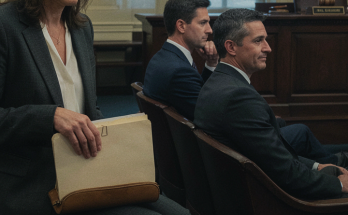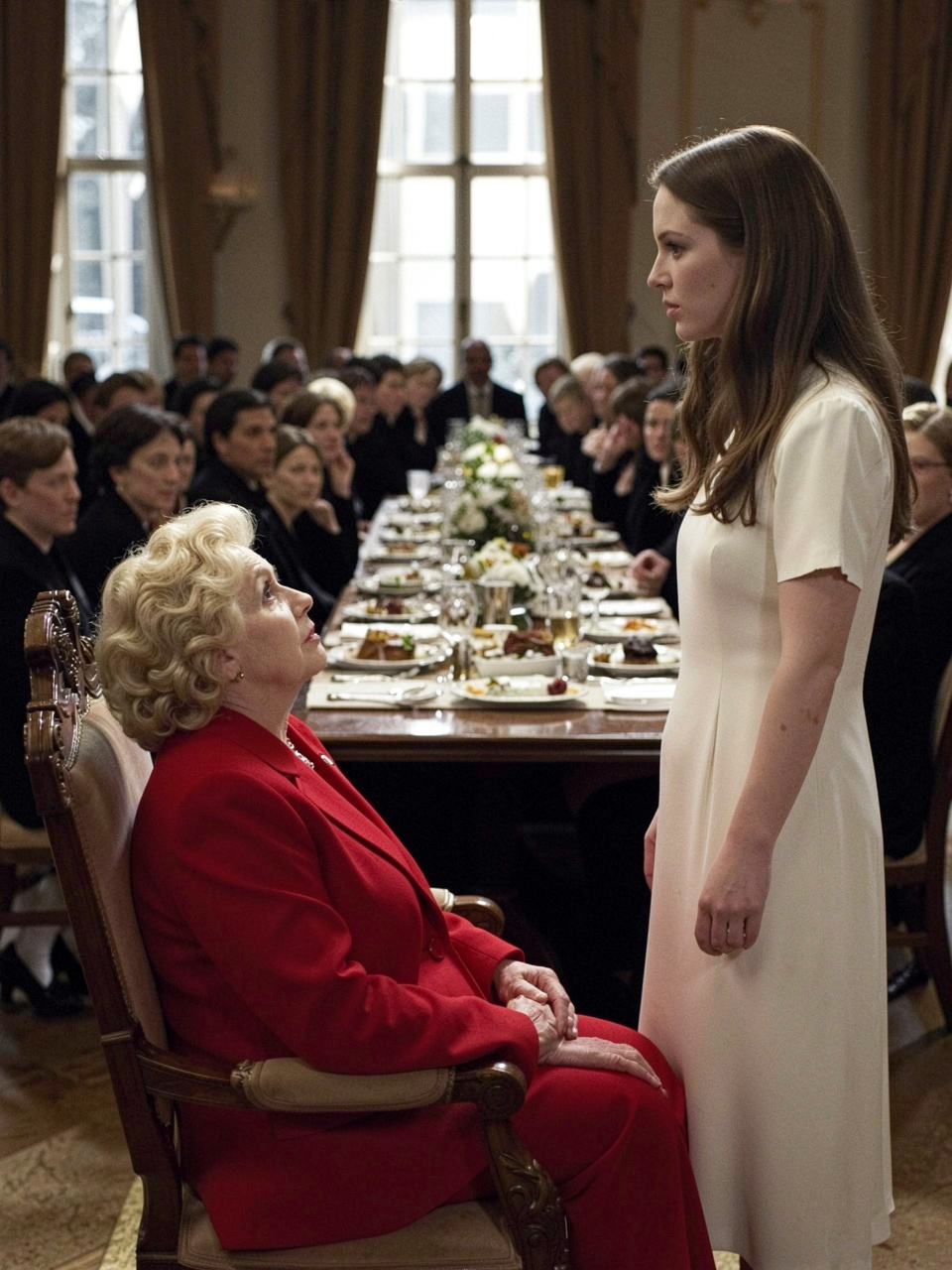
The day we buried my father, it rained so hard the cemetery looked like it was trying to wash away everyone’s grief.People stood beneath black umbrellas, murmuring polite condolences before hurrying back to warm cars and busy lives. I stayed long after everyone else had gone, staring at the fresh mound of dirt that covered the only parent who had ever truly loved me.My name is Daniel Harper, and I was thirty-eight years old when I realized that sometimes the smallest inheritance can become the greatest treasure.
My stepmother, Linda, was already making phone calls before the funeral reception ended.
“We’ll need movers first thing Monday,” she whispered to her oldest son, Greg.
I heard every word.Dad hadn’t even been buried for two hours.Their family had always treated the house like an investment waiting to be cashed out. Antique furniture, rare paintings, Dad’s coin collection, the restored 1967 Mustang in the garage—they had mentally divided everything years before he passed.As Dad’s only biological child, I wasn’t expecting much.Not because I didn’t deserve it.Because Dad had changed his will five years earlier after Linda convinced him “blended families should share equally.”
He trusted her.
I didn’t.
On Monday, I stopped by the house one last time.
Moving trucks lined the driveway.Greg and his younger brother Tyler carried expensive oak cabinets outside while laughing about where they’d put them.Linda supervised from the porch with a clipboard.”Oh, Daniel,” she called with that rehearsed sympathy she always wore around me. “There’s really not much left.”I nodded.”I figured.”She disappeared inside and returned holding an old wristwatch.Dad’s watch.The stainless-steel case was scratched.The crystal was cloudy.The leather band had been repaired so many times that patches of black, brown, and tan leather made it look stitched together from three different watches.
She dropped it into my palm.
“It’s nothing special,” she said with a thin smile. “But I thought you might want it.”
I ran my thumb across the worn face.It had been on Dad’s wrist every day of my life.Fishing trips.Little League games.My college graduation.Even at Mom’s funeral when I was sixteen.”Thanks,” I said quietly.Greg smirked.”Guess somebody has to take the junk.”I ignored him.Some things only look like junk to people who’ve never loved anyone.Dad wasn’t a wealthy man when I was growing up.He worked as a mechanic.His hands were permanently stained with grease no matter how hard he scrubbed them.That watch wasn’t expensive.
He bought it secondhand before I was born.
Whenever it stopped running, he’d fix it himself.
Whenever the band tore, he’d sew another patch onto it.
He used to joke, “This old thing’s too stubborn to die.”
After he remarried Linda, she constantly tried replacing it.
One Christmas she bought him an expensive gold watch.
He thanked her politely.
Then the next morning he put the old one back on.
When I asked why, he smiled.
“Some things earn their place.”
Months passed.
Life settled into its ordinary rhythm.
Every morning I’d fasten Dad’s watch around my wrist before leaving for work.
People occasionally asked why I wore such an old watch.
I’d smile.
“It belonged to my father.”
That was enough.
One Saturday, nearly eight months after the funeral, I wandered through a flea market two towns away.
I enjoyed browsing old tools and forgotten antiques.
Near the back, an elderly man sold vintage pocket watches.
As I leaned over his display, another customer across the table suddenly froze.
He was probably in his late seventies.
Tall.
Neatly dressed.
Sharp blue eyes that seemed unusually alert.
He stared directly at my wrist.
At first I assumed he recognized the brand.
Instead, he slowly walked around the table.
“Young man…”
His voice trembled.
“May I see your watch?”
Something about his expression made me hesitate.
But I unclasped it and handed it over.
The instant he turned it over and read the engraving on the back, every trace of color drained from his face.
His fingers shook.
He whispered the words before I could.
“To Thomas. Time can never repay what you gave us. — Charlie.”
He looked up at me.
His voice dropped to almost nothing.
“Where did you get this?”
“It belonged to my father.”
“What was his name?”
“Thomas Harper.”
The old man’s eyes filled with tears.
“I’ve been looking for this watch for forty-two years.”
We sat together at a nearby coffee stand.
The stranger introduced himself as Charles Whitaker.
“Charlie,” he said softly.
“The Charlie from the engraving.”
I leaned forward.
“You gave this to my father?”
He nodded.
“After he saved my life.”
I blinked.
“My father never talked about anything like that.”
Charlie smiled sadly.
“That sounds exactly like Tom.”
He stared into the distance.
“It was the winter of 1984.”
Back then Charlie owned a small construction company.
One icy January morning, he and several workers were renovating an old warehouse.
A support beam failed.
The second floor collapsed.
Charlie became trapped beneath thousands of pounds of timber.
“My pelvis was crushed,” he said.
“My legs pinned.”
The building wasn’t stable.
Everyone else evacuated.
Except one mechanic who’d been repairing company trucks outside.
My father.
Charlie laughed quietly.
“The firefighters hadn’t even arrived before your dad crawled under that unstable floor.”
“He wasn’t trained.”
“He wasn’t wearing protective gear.”
“He just heard someone screaming.”
The rescue took nearly thirty minutes.
The building shifted twice.
Everyone outside begged him to leave.
He refused.
Eventually he dragged Charlie free moments before another section collapsed.
“If he’d waited another minute…”
Charlie shook his head.
“We both would’ve died.”
I sat speechless.
Dad had never mentioned it.
Not once.
Charlie continued.
“He wouldn’t accept a reward.”
“I offered money.”
“He refused.”
“I offered him a truck.”
“He refused.”
Finally Charlie bought the watch.
He had the engraving added.
Tom accepted only because Charlie insisted refusing would hurt his feelings.
“He wore it every day after that.”
I smiled.
“Yes.”
Charlie looked at me thoughtfully.
“Did he ever tell you about the little girl?”
“What little girl?”
His expression changed.
“He never told you that either?”
According to Charlie, the warehouse collapse happened because another worker ignored safety regulations.
That worker had a six-year-old daughter battling leukemia.
If criminal negligence charges had gone forward, he’d have gone to prison.
The family would’ve lost everything.
Charlie intended to press charges.
Until Dad visited him in the hospital.
Tom asked him one question.
“If punishing him means his little girl loses her father while fighting cancer…will anyone really win?”
Charlie never forgot that conversation.
He dropped every charge.
Instead, he hired safety inspectors and retrained every employee.
The little girl survived.
Today she was a pediatric surgeon.
“Your father saved more than my life,” Charlie whispered.
“He saved an entire family.”
Before leaving, Charlie asked one last question.
“Would you ever consider selling the watch?”
I smiled gently.
“I’m sorry.”
“I couldn’t.”
He nodded immediately.
“I hoped you’d say that.”
Then he reached into his wallet.
He handed me a business card.
“If you ever need anything…”
I thanked him and slipped it into my pocket.
I assumed I’d never use it.
Three weeks later my life changed.
The manufacturing company where I’d worked for twelve years announced massive layoffs.
I was among them.
At thirty-eight, unemployed with a mortgage and medical bills from my wife’s recent surgery, I panicked.
Applications went everywhere.
Weeks passed.
Nothing.
One evening my wife Emily noticed Charlie’s business card sitting beside the phone.
“You’ve never called him.”
“I don’t want charity.”
She smiled.
“Maybe it isn’t charity.”
Charlie answered on the second ring.
“Daniel!”
He remembered my name instantly.
We talked for nearly an hour.
Near the end he interrupted me.
“Can you come by tomorrow?”
His office overlooked the same construction company he’d built decades earlier.
Only now it employed nearly four hundred people.
Charlie had retired, but his daughter ran daily operations.
After introducing us, he said something I’ll never forget.
“This young man’s father once risked everything for a stranger.”
He looked directly at his daughter.
“I’d like us to return that kindness.”
I expected a recommendation.
Maybe an interview.
Instead she smiled.
“We’ve been looking for an operations manager.”
The salary exceeded what I’d earned before.
The benefits were better.
The position came with profit sharing.
I barely managed to speak.
“I don’t know how to thank you.”
Charlie chuckled.
“You already did.”
He pointed toward Dad’s watch.
“Every day you wear that.”
Over the next year Charlie became almost like family.
Every few weeks we’d have lunch together.
He loved telling stories about Dad.
Stories I’d never heard.
Like how Dad anonymously paid a coworker’s rent for six months after an accident.
Or how he’d repaired single mothers’ cars without charging labor.
Or how every Christmas he’d secretly bought bicycles for neighborhood children whose parents couldn’t afford gifts.
“Your father collected people,” Charlie often said.
“Not possessions.”
One afternoon Charlie invited Emily and me to his home.
After dinner he disappeared upstairs.
When he returned, he carried a weathered wooden box.
“I’ve been saving this.”
Inside were letters.
Photographs.
Newspaper clippings.
Every article mentioning the warehouse rescue.
There was even a faded photograph of Dad standing beside Charlie outside the hospital.
Dad looked embarrassed by the attention.
Exactly as I remembered him.
At the bottom lay an envelope.
My name was written across the front.
“What is this?”
Charlie smiled.
“I asked your father years ago if there was ever anything I could do.”
“He made me promise one thing.”
“If anything ever happened to him before you found your own path…I was to give you this.”
My hands trembled as I opened it.
Inside was a handwritten letter.
Son,
If you’re reading this, then Charlie finally ignored my instructions not to give this to you unless you truly needed it.
You’re probably wondering why I never told you about any of this.
Because kindness isn’t something you collect applause for.
It’s something you do because it’s right.
People will remember your titles for a little while.
They’ll remember your money even less.
But they’ll never forget how you made them feel when they needed someone.
If this watch is still on your wrist, then you’ve already understood the only inheritance I ever wanted to leave you.
Love people.
Protect them.
Leave every life better than you found it.
The rest takes care of itself.
Love, Dad.
I couldn’t stop crying.
Neither could Emily.
Charlie quietly looked out the window, giving us privacy.
Finally he spoke.
“Your father changed my life.”
“He changed dozens of lives.”
“Maybe hundreds.”
“He never knew how far those ripples traveled.”
A month later, Linda unexpectedly called.
“I heard you got some executive job.”
“I did.”
She hesitated.
“I also heard Charlie Whitaker has become…close to you.”
“Yes.”
There was silence.
Finally she asked the question I’d expected.
“That old watch…”
“What about it?”
“Someone told Greg it might actually be valuable.”
I looked down at my wrist.
The scratches were still there.
The crystal remained cloudy.
The patched leather band looked ready to fall apart.
“It is valuable,” I said.
“Would you sell it?”
I smiled, though she couldn’t see it.
“No.”
“We could split whatever it’s worth.”
“It’s not worth money.”
“Then what’s it worth?”
I looked at Dad’s initials worn smooth from decades against his skin.
“It’s worth knowing who my father really was.”
She didn’t understand.
I wasn’t surprised.
Some people measure wealth by what fits inside a safe.
Others measure it by what remains inside people’s hearts long after they’re gone.
She hung up without another word.
Years later, my own son turned sixteen.
One afternoon he asked about the battered watch on my wrist.
“It doesn’t even keep perfect time,” he said.
I laughed.
“Neither do people.”
Then I told him everything.
About his grandfather.
About Charlie.
About courage.
About quiet kindness.
About how real heroes often leave behind ordinary-looking things.
When he finished listening, he asked the question I’d secretly hoped for.
“Do you think Grandpa wanted me to wear it someday?”
I unclasped the old watch and placed it gently into his hands.
The leather was softer now.
The scratches were deeper.
The engraving remained perfectly clear.
“Not yet,” I said.
“But someday.”
He carefully fastened it around his own wrist.
It hung much too loose.
He grinned anyway.
For a moment, just a moment, he looked exactly like the man who had once crawled into a collapsing building because someone he didn’t even know needed help.
And I realized my father had left me far more than an old watch.
He had left me a legacy that couldn’t be divided by lawyers, loaded into moving trucks, or measured by money.
He had left me the kind of wealth that only grows when it’s given away.
Some inherit fortunes.
Some inherit houses.
I inherited time.
Not the seconds ticking inside an old watch.
But the reminder that every moment offers a choice—to walk away or to step forward, to take more than you give or to leave the world kinder than you found it.
Every morning, before I leave home, I still wind that old watch.
It no longer tells perfect time.
But every tick reminds me of the man who taught me that the greatest measure of a life isn’t how much you own when you’re gone.
It’s how many hearts keep beating differently because you were here.