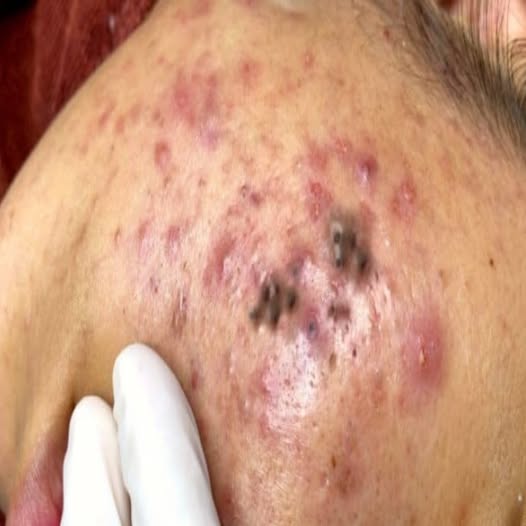
Here is the breakdown of how water intake actually impacts acne.
1. Skin Barrier Function
When your body is dehydrated, your skin can become dry, tight, and flaky. This compromised skin barrier is more prone to irritation. Furthermore, when the skin is too dry, it may signal your sebaceous glands to produce more oil (sebum) to compensate. Excess oil is a primary trigger for clogged pores and acne. Keeping hydrated helps maintain a balanced oil-to-water ratio on the skin’s surface.
2. Detoxification and Blood Flow
The kidneys and liver require adequate water to filter toxins from the body. While “detoxing” is often an overused marketing term, proper hydration ensures that waste products are moved out efficiently. Additionally, good hydration supports healthy blood flow, ensuring that oxygen and essential nutrients reach skin cells to help them repair after a breakout.
3. Inflammation and Healing
Acne is an inflammatory condition. Water is essential for the body’s natural anti-inflammatory processes. Staying hydrated can help the body manage systemic inflammation and may speed up the healing time of existing lesions, potentially reducing the risk of post-acne scarring.