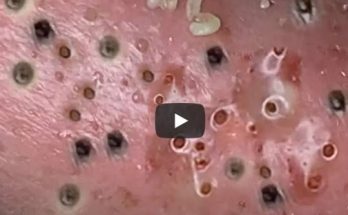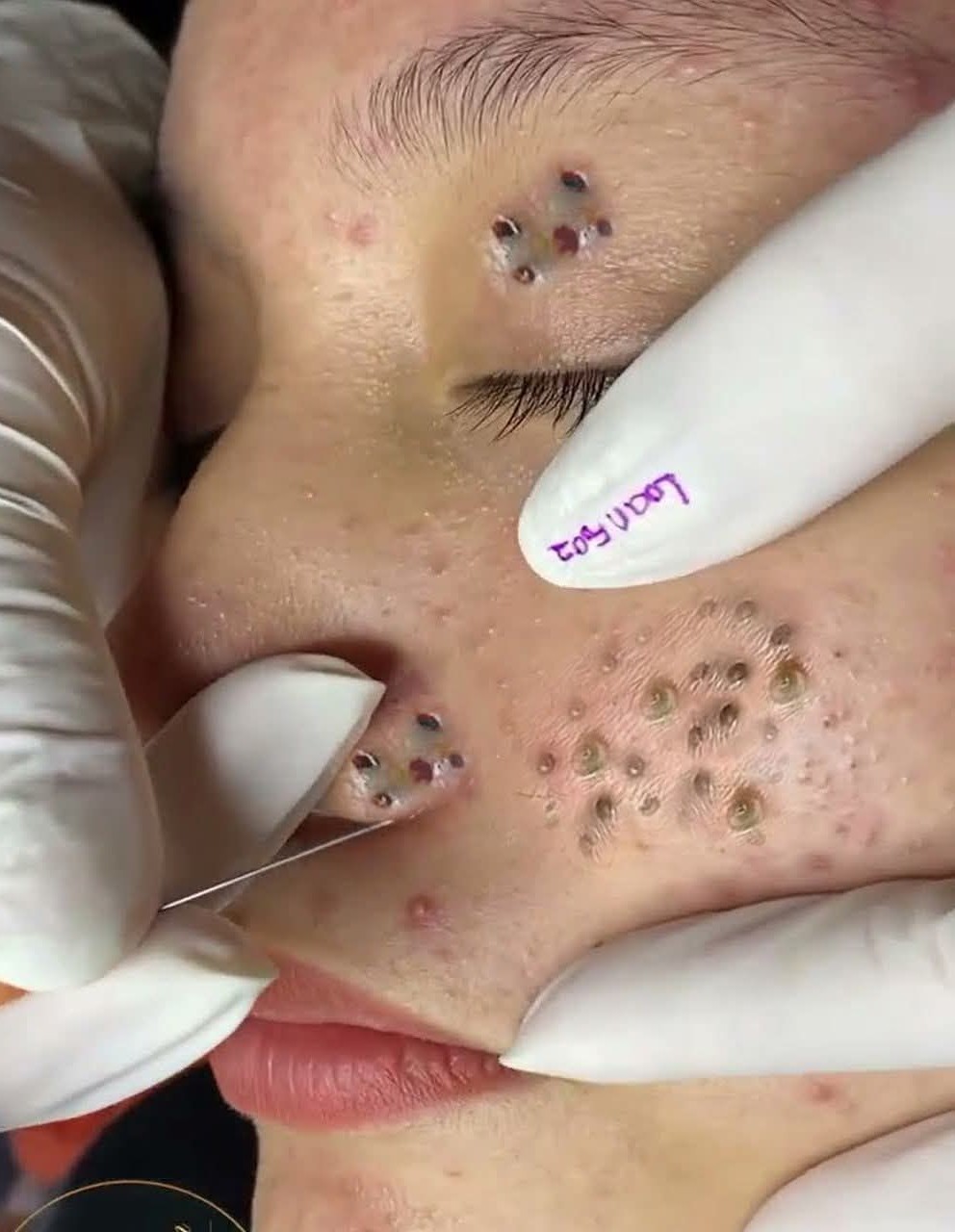
The images you have provided showcase several severe and complex skin conditions, predominantly characterized by extreme follicular plugging and a spectrum of acne vulgaris from non-inflammatory to deep inflammatory lesions. The most striking features include:
-
Uniform, Deep Blackheads (Images 2, 4): Rows of uniform, highly visible open comedones (blackheads) with thick, oxidized plugs being extracted or visible along skin folds.
-
Severe Inflammatory Lesions (Images 1, 6): Presence of inflamed pustules, nodules, and cysts alongside comedones, indicating deep, complex acne.
-
Clustered Developmental Disorder (Images 3, 5): Dense, grouped patches of extremely widened, dark, and impacted pores, strongly suggestive of Nevus Comedonicus (NC).
Here is a comprehensive article detailing the complexities of these severe follicular disorders and the specialized medical strategies required for their management.
Severe Follicular Pathology: A Dermatological Analysis of Extreme Comedonal Disease and Associated Conditions
The health of the skin is inextricably linked to the function of its pilosebaceous units (hair follicles and oil glands). When these units suffer from chronic, severe dysfunction, the result can be disfiguring and complex skin conditions, necessitating advanced dermatological care. The conditions displayed in the images—ranging from aggressive acne to structural anomalies—represent this severe end of the follicular disease spectrum.
I. The Mechanism of Severe Comedonal Acne
Comedones (blackheads and whiteheads) are the initial lesions of acne and are caused by a blockage in the hair follicle.
A. The Formation of the Plug
The core issue is a combination of two primary factors within the hair follicle:
-
Seborrhea (Excess Oil): Hormonal stimulation, especially by androgens, causes the sebaceous glands to overproduce oily sebum.
-
Follicular Hyperkeratinization: Dead skin cells (keratinocytes) fail to shed properly and instead stick together, mixing with sebum to form a dense plug, or microcomedone.
B. The Blackhead (Open Comedone)
Images 2 and 4 vividly show the characteristic appearance of blackheads. The dark color is not dirt, but rather the result of the oxidation of melanin and lipids in the plug once they are exposed to air. The uniformity and depth of these plugs suggest a long-standing issue that has structurally stretched the pores.
II. Severe Inflammatory Acne and Deep Lesions
Images 1 and 6 demonstrate the severe consequences of follicular blockage when the plug leads to rupture and infection. This is the realm of inflammatory acne.
A. Pathogenesis of Inflammation
When the follicle wall ruptures under pressure, the contents—sebum, keratin, and C. acnes bacteria—are released into the surrounding dermal tissue. This triggers a massive immune response.
-
Pustules: Raised lesions containing visible pus (a mix of dead white blood cells).
-
Nodules/Cysts: These are large, painful, hard lesions that form deep in the dermis. They cause the most extensive tissue damage and are the primary cause of permanent scarring (atrophic, or pitted scars).
The location of the lesions in folds or high-friction areas (Image 6) can contribute to the severity of the inflammation.
III. Nevus Comedonicus (NC): A Structural Abnormality
Images 3 and 5 display a highly organized, dense clustering of widened, deep, and dark pores, which is a classic presentation of Nevus Comedonicus (NC). This is a crucial distinction from typical acne.
A. Definition and Appearance
NC is a developmental anomaly of the pilosebaceous unit—a type of hamartoma. It is characterized by:
-
Clustered Lesions: Patches of tightly grouped, dilated follicular openings packed with dark, keratinous material.
-
Location and Pattern: Often arranged in linear or irregular patches, commonly present from birth or early childhood.
-
Underlying Cause: The pathology is a structural defect in the development of the hair follicle itself, not just a matter of hormone-induced oiliness.
B. Treatment Implications
The structural defect makes the plugs in NC highly resistant to standard topical acne treatments, which necessitates more aggressive, physical intervention.
IV. Specialized Treatment and Management Strategies
Managing these complex conditions requires a multi-modality approach tailored by a dermatologist.
A. Initial Clearance: Professional Extraction
As seen in Images 2 and 4, manual extraction is essential for removing the impacted plugs in both severe comedonal acne and NC.
-
Safety: The procedure must be performed by a professional under sterile conditions using tools like comedone extractors to prevent infection, minimize trauma, and avoid the devastating complication of forcing the plug deeper and causing a severe nodule or cyst.
-
Inflammatory Relief: For deep nodules/cysts (Images 1, 6), a rapid solution is often an intralesional corticosteroid injection to quell the inflammation immediately and limit tissue destruction and scarring.
B. Long-Term Medical Prevention
The key to preventing recurrence is normalizing the follicular environment:
-
Topical Retinoids: (e.g., Tretinoin, Adapalene) These are the gold standard for comedonal prevention. They work by normalizing the shedding of skin cells, effectively stopping the formation of the microcomedone at its earliest stage.
-
Oral Isotretinoin: For chronic, severe, nodulocystic acne, this powerful drug is highly effective as it causes a dramatic, permanent reduction in the size and activity of the sebaceous glands.
C. Treatments for Nevus Comedonicus
The structural defect in NC often requires advanced procedures:
-
Surgical Excision: Complete removal of smaller patches of the affected skin is often curative.
-
Ablative Laser Therapy: Lasers, such as the $\text{CO}_2$ laser, can be used to precisely destroy the abnormal follicular units and resurface the affected area.
V. Addressing Scarring
Given the depth of inflammation (Image 6) and follicular stretching (Image 5), the risk of scarring is extremely high. Once the active disease is controlled, post-acne treatments are vital:
-
Microneedling
-
Laser Resurfacing
-
Chemical Peels
These procedures help rebuild damaged collagen and improve the texture of atrophic scars and the appearance of post-inflammatory hyperpigmentation (PIH). The complex conditions shown in the images warrant immediate consultation with a board-certified dermatologist for an accurate diagnosis and an aggressive, tailored treatment plan.
Would you like to know more about the proper skincare routine to use while undergoing treatment with topical retinoids?