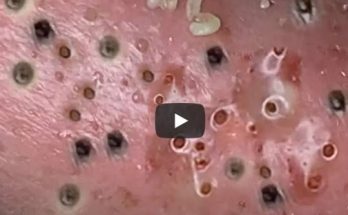
The image you provided appears to show a close-up of skin, likely undergoing a procedure for acne extraction. It features a row of blackheads (open comedones), with some material already being expelled or extracted from the pores. This material, which is a mix of sebum, dead skin cells, and keratin, is what forms the plug inside the hair follicle.
Here is a long article detailing the nature of blackheads, why they form, and the principles behind safe and effective extraction.
The Anatomy of the Blackhead: Understanding and Treating Open Comedones
Blackheads, scientifically known as open comedones, are one of the most common and recognizable forms of acne. Unlike their inflammatory cousins—pimples and cysts—blackheads are considered non-inflammatory lesions but are crucial precursors to more severe skin issues. The image provided illustrates a classic presentation of multiple, tightly packed blackheads, along with the process of their manual removal.
What Exactly Is a Blackhead?
A blackhead forms when the opening of a hair follicle, or pore, becomes plugged. This blockage is primarily composed of:
-
Sebum: The oily substance naturally produced by the sebaceous glands to lubricate the skin.
-
Dead Skin Cells (Keratinocytes): These cells accumulate within the pore instead of being properly shed from the skin’s surface.
-
Keratin: A structural protein found in the skin.
This mixture creates a dark plug. Contrary to popular belief, the black color is not trapped dirt. It is the result of oxidation, a chemical reaction that occurs when the trapped melanin (pigment) and sebum inside the pore are exposed to air.
The Root Causes of Comedone Formation
The development of blackheads is the first step in the acne cascade and is driven by the following biological processes:
1. Hormonal Triggers and Sebum Overproduction
The primary driver is an overproduction of sebum, often stimulated by an increase in androgens (male hormones), particularly during puberty, menstruation, or other hormonal shifts. Excess sebum provides the “glue” that binds dead skin cells together.
2. Follicular Hyperkeratinization
This process refers to the abnormal and accelerated shedding of dead skin cells (keratinocytes) within the hair follicle lining. Instead of naturally sloughing off, these cells stick together, mix with the excess sebum, and form a compact plug.
3. Genetics and Skin Type
Individuals with naturally oilier skin types and those with a genetic predisposition for excessive sebum production or abnormal cell turnover are more susceptible to developing blackheads.
4. Environmental and Lifestyle Factors
While not direct causes, certain external factors can exacerbate the condition:
-
Comedogenic Products: Using thick, oil-based, or pore-clogging cosmetics, lotions, or sunscreens.
-
Humidity and Pollution: High humidity and air pollution can increase skin irritation and oiliness.
The Role and Risk of Manual Extraction
The process shown in the image is a manual extraction, where pressure is applied to the skin surrounding the pore to physically expel the comedone plug. While extraction can provide immediate cosmetic improvement, it carries significant risks if performed improperly.
The Benefits of Professional Extraction
When performed by a trained professional (a dermatologist, esthetician, or licensed clinician), extraction can be a valuable treatment component, especially for stubborn, deeply rooted comedones that don’t respond well to topical medications.
-
Immediate Clearance: It instantly removes the visible lesion, clearing the pore.
-
Reduced Inflammation Risk: Removing the plug reduces the chance of the pore wall rupturing, which would turn the blackhead into an inflamed papule or pustule.
-
Preparation for Treatment: Cleared pores are better able to absorb and benefit from topical acne medications like retinoids.
The Dangers of Self-Extraction (Picking)
It is highly discouraged to attempt the extraction process shown in the image at home for several reasons:
-
Tissue Damage and Bruising: Using excessive force or incorrect tools can tear the pore lining and damage surrounding tissue, leading to bruising.
-
Infection: Unsanitized fingers or tools can introduce bacteria, turning a non-inflammatory blackhead into a painful, pus-filled lesion.
-
Scarring and Post-Inflammatory Hyperpigmentation (PIH): Aggressive squeezing can force the material deeper into the skin, causing a rupture that leads to noticeable, long-term scarring or dark marks.
Professional extraction utilizes specialized, sterilized tools, such as comedone extractors, and precise techniques to minimize trauma to the skin.
Comprehensive Treatment and Prevention
The best strategy for managing blackheads involves a combination of preventative skincare and targeted medical treatments.
1. Daily Skincare Essentials
A gentle and consistent routine is key to controlling sebum production and cell turnover.
-
Cleansing: Wash the skin twice daily with a gentle, non-abrasive cleanser to remove surface oil and debris.
-
Exfoliation (Chemical): Utilize products with key active ingredients to address the follicular blockage:
-
Salicylic Acid (BHA): This ingredient is lipid-soluble, meaning it can penetrate oil and exfoliate inside the pore wall, making it exceptionally effective at dissolving comedones.
-
Alpha Hydroxy Acids (AHAs) like Glycolic Acid: These work primarily on the skin’s surface to enhance cell turnover and improve texture.
-
2. Topical Medications (Retinoids)
Topical retinoids (such as Tretinoin, Adapalene, and Tazarotene) are considered the gold standard for treating and preventing blackheads.
-
Mechanism: These Vitamin A derivatives work by normalizing follicular keratinization. They prevent the skin cells from sticking together and clogging the pore, thus treating existing blackheads and stopping new ones from forming. They are typically used long-term for maintenance.
3. Lifestyle and Product Choices
-
Non-Comedogenic Labeling: Always use makeup and skincare products that are labeled “oil-free,” “non-acnegenic,” or “non-comedogenic” to ensure they won’t contribute to pore clogging.
-
Hands Off: Avoid frequently touching or resting your face in your hands, as this transfers oils and bacteria to the skin.
-
Protect Your Skin: Use light, non-comedogenic sunscreens, as sun damage can worsen the appearance of large pores and lead to thickened skin.
For individuals with persistent or extensive blackheads, such as those shown in the image, consulting a dermatologist is the safest way to establish a comprehensive treatment plan that may include prescription-strength topicals and professional, hygienic extraction procedures.
Would you like to learn more about the differences between blackheads and sebaceous filaments, which are often confused?