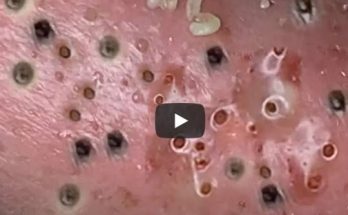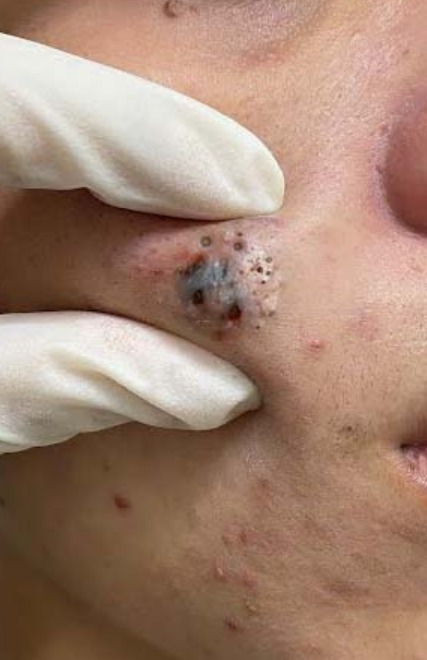
It looks like the image you shared shows multiple enlarged pores, blackheads, and possibly a few inflamed lesions or cysts on the skin, particularly around the nose and mouth area. This condition is generally categorized as acne vulgaris, which is an extremely common skin disorder.
Here is a long article detailing the nature of these skin issues, their causes, and potential management strategies.
Understanding and Managing Acne Vulgaris: Causes, Types, and Treatment Strategies
Acne vulgaris, commonly referred to simply as acne, is a chronic inflammatory skin condition affecting millions worldwide. It is characterized by the presence of lesions—such as blackheads, whiteheads, pimples, and deeper cysts—that typically appear on the face, neck, chest, back, and shoulders. The condition results from the clogging of hair follicles with dead skin cells and oil (sebum). While often associated with adolescence, acne can persist well into adulthood and can significantly impact a person’s quality of life and self-esteem.
The Biological Basis of Acne Formation
The development of acne is a complex process involving four primary factors within the pilosebaceous unit (the hair follicle and its associated sebaceous gland) .
1. Overproduction of Sebum (Oily Skin)
Sebum is an oily substance produced by the sebaceous glands to lubricate the skin and hair. In people prone to acne, the sebaceous glands can become hyperactive, often triggered by hormonal fluctuations (particularly androgens). This excess oil creates a greasy environment on the skin’s surface and within the follicle.
2. Follicular Hyperkeratinization (Clogging)
Normally, dead skin cells are shed from the skin’s surface. However, in acne-prone skin, these cells—known as keratinocytes—are produced and shed more rapidly, and they tend to stick together. This process, called hyperkeratinization, leads to a buildup of cellular debris that mixes with the excess sebum, forming a plug or microcomedone inside the hair follicle.
3. Bacterial Proliferation
The plugged follicle creates an anaerobic (oxygen-poor) environment which is ideal for the overgrowth of a specific type of bacteria, Cutibacterium acnes (C. acnes, formerly Propionibacterium acnes). These bacteria naturally live on the skin but multiply rapidly within the plugged follicle, feeding on the trapped sebum.
4. Inflammation
The presence of a dense population of C. acnes triggers an immune response. The bacteria break down the sebum into irritating free fatty acids, and the body’s immune system sends inflammatory cells to the area, leading to the redness, swelling, and pain characteristic of a “pimple.”
Types of Acne Lesions
Acne is classified based on the types of lesions present. The image provided appears to show a mixture of both non-inflammatory and inflammatory lesions.
Non-Inflammatory Lesions (Comedones)
-
Blackheads (Open Comedones): These are follicles plugged with sebum and dead skin cells. The pore opening is enlarged, and the material is exposed to the air. The black color is not dirt but is due to the oxidation (chemical reaction with oxygen) of melanin in the dead skin cells and sebum.
-
Whiteheads (Closed Comedones): These are follicles that are completely plugged beneath the skin’s surface. They appear as small, flesh-colored or white bumps.
Inflammatory Lesions
-
Papules: Small, red, raised bumps that indicate inflammation. They are tender and do not have a visible pus head.
-
Pustules: Often what people refer to as “pimples.” They are similar to papules but are topped with a visible white or yellowish center of pus.
-
Nodules: Large, hard, painful lumps that form deep beneath the skin. They result from the buildup of secretions deep within the hair follicles.
-
Cysts: The most severe form of acne. These are painful, pus-filled lumps that can cause significant damage to the skin, often leading to permanent acne scars.
Factors Influencing Acne Development
While hormonal activity is the primary driver, several other factors can influence the severity and presentation of acne.
-
Hormonal Changes: Puberty, menstruation, pregnancy, and conditions like Polycystic Ovary Syndrome (PCOS) cause fluctuations in androgens that stimulate oil glands.
-
Genetics: A strong family history of acne makes an individual much more likely to develop it.
-
Diet: While the link is debated, some studies suggest that high-glycemic-index foods (like white bread and sugary drinks) and dairy products may exacerbate acne in some individuals.
-
Stress: Stress does not directly cause acne, but it can trigger or worsen existing breakouts by increasing the production of hormones (like cortisol) that can stimulate oil glands.
-
Cosmetics and Products: Oil-based or comedogenic (pore-clogging) makeup and skincare products can directly contribute to the formation of blackheads and whiteheads.
Management and Treatment Strategies
Effective acne management requires a consistent, multi-pronged approach tailored to the severity of the condition.
Over-the-Counter (OTC) Treatments
For mild to moderate acne, OTC products containing the following ingredients are often the first line of defense:
-
Benzoyl Peroxide: A powerful antimicrobial agent that kills C. acnes bacteria and helps shed dead skin cells. It comes in various concentrations (2.5% to 10%).
-
Salicylic Acid: A beta-hydroxy acid (BHA) that is particularly effective at exfoliating the skin within the pores, helping to dissolve the plugs that form blackheads and whiteheads.
-
Alpha-Hydroxy Acids (AHAs): Such as glycolic and lactic acid, which exfoliate the surface of the skin to improve texture and reduce inflammation.
Prescription Treatments
For more severe or persistent acne, a dermatologist may prescribe stronger treatments:
-
Topical Retinoids (e.g., Tretinoin, Adapalene, Tazarotene): These are Vitamin A derivatives that are the cornerstone of acne treatment. They work by normalizing the shedding of cells in the hair follicle, preventing microcomedone formation, and treating existing comedones.
-
Topical Antibiotics (e.g., Clindamycin, Erythromycin): Used to reduce C. acnes and inflammation. They are often combined with benzoyl peroxide to prevent bacterial resistance.
-
Oral Medications:
-
Oral Antibiotics: Used for moderate to severe inflammatory acne to reduce bacteria and inflammation (e.g., Doxycycline, Minocycline). Their use is often limited to a short duration to prevent antibiotic resistance.
-
Hormonal Agents: Oral contraceptives (birth control pills) can be effective for women whose acne is primarily hormonal.
-
Isotretinoin (Accutane): A potent oral retinoid reserved for severe, nodular, or treatment-resistant acne. It works by dramatically shrinking the sebaceous glands and reducing sebum production, often resulting in long-term remission.
-
Professional Procedures
Dermatologists can also perform in-office procedures to treat severe lesions and improve skin appearance:
-
Chemical Peels: Use high concentrations of acids to exfoliate the top layers of skin.
-
Acne Extraction: Manual removal of stubborn blackheads and whiteheads, as may be necessary for the lesions shown in the image. This should only be performed by a professional to minimize scarring and infection.
-
Corticosteroid Injections: Injecting a corticosteroid directly into painful nodules or cysts to rapidly reduce inflammation and prevent scarring.
Skincare and Lifestyle Tips
A gentle, consistent skincare routine is crucial for complementing medical treatments:
-
Cleanse Gently: Wash the affected areas twice daily with a mild, non-abrasive cleanser. Avoid harsh scrubbing, which can irritate the skin and worsen inflammation.
-
Avoid Picking: Never squeeze, pop, or pick at acne lesions, especially the inflamed or deeper ones. This is a common cause of infection, hyperpigmentation (dark spots), and permanent scarring.
-
Choose Non-Comedogenic Products: Ensure all makeup, moisturizers, and sunscreens are labeled “oil-free” or “non-comedogenic.”
-
Protect from the Sun: Many acne medications increase sun sensitivity. Use a broad-spectrum, oil-free sunscreen with an SPF of 30 or higher every day.
Consulting a dermatologist is essential for anyone experiencing persistent or severe acne, as they can diagnose the specific type of acne present and create the most effective, personalized treatment plan.
Would you like to know more about the long-term effects of severe acne, such as scarring and hyperpigmentation?