The Night They Stopped Laughing
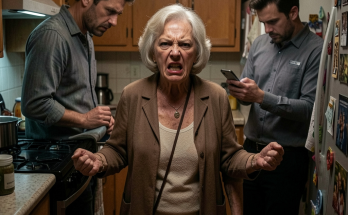
My nephew leaned across the dinner table, looked directly at me, and did something I never expected from a child I loved.He picked up his glass of red juice and poured it straight into my lap.
The liquid soaked through my blouse, dripped onto the white tablecloth, and splashed across the plate of food I had barely touched.
For a second, nobody moved.
Then my nephew, Tyler, grinned.
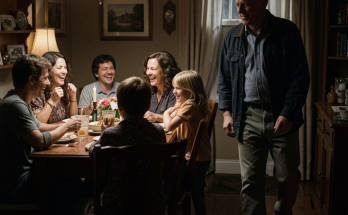
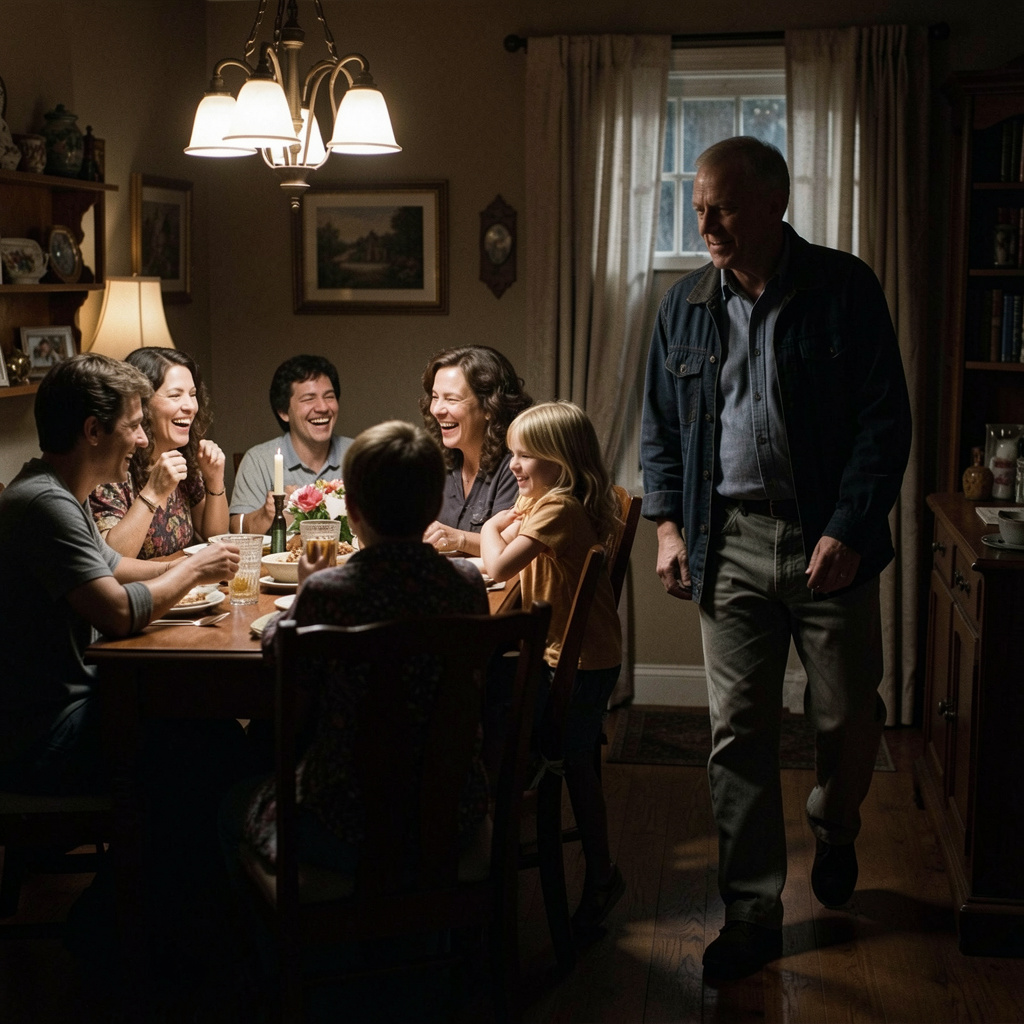
“Dad told me you deserve it.”The room exploded with laughter.Not nervous laughter.Not shocked laughter.Real laughter.My brother Daniel laughed so hard he slapped the table.
His wife, Melissa, covered her mouth while giggling.
My mother shook her head as if I had somehow brought the humiliation upon myself.
Even my father, who usually avoided family conflicts, smiled into his glass.
Tyler was eight years old.I had been the aunt who bought his birthday presents, took him to the zoo, helped him with his science projects, and once drove forty minutes through a snowstorm because he had forgotten his favorite stuffed dinosaur at my house.
And now he was sitting there, pleased with himself, because his father had taught him that humiliating me was funny.
I looked down at the ruined meal.
Then I looked at Tyler.
He was waiting for me to explode.
I could see it in his eyes.
He wanted a reaction.
His father wanted one too.
They all did.
But I didn’t give it to them.
I calmly placed my fork beside my plate.
I dabbed my hands with a napkin.
Then I stood.
Nobody laughed anymore.
I picked up my purse.
“Excuse me,” I said quietly.
Daniel leaned back in his chair.
“Come on, Claire. Don’t be so dramatic.”
I looked at him.
“I’m not.”
Then I walked out.
I drove home without crying.
That surprised me.
I had expected tears.
I had expected anger.
Instead, I felt something I hadn’t felt in years.
Clarity.
Because what happened at that dinner wasn’t really about a glass of juice.
It wasn’t even about Tyler.
It was about something much bigger.
And by the next night, I had made one simple decision.
A decision that would change everything.
My name is Claire Bennett.
I’m thirty-nine years old, and for most of my life, I had been the dependable one in my family.
If Daniel needed help, I helped.
If Mom needed someone to take her to an appointment, I drove her.
If Dad needed paperwork handled, I handled it.
If Tyler needed something, I bought it.
I never complained.
That was my mistake.
People don’t always appreciate the person who constantly rescues them.
Sometimes, they simply start believing that person exists to serve them.
Daniel was my older brother by four years.
Growing up, he had always been the charming one.
He could walk into a room and make everyone laugh.
Teachers loved him.
Neighbors loved him.
Relatives loved him.
I was quieter.
I worked hard.
I saved money.
I didn’t need attention.
Daniel used to joke that I was born forty years old.
Everyone laughed.
So I learned early that my role in the family was simple.
Daniel was the fun one.
I was the reliable one.
When our parents struggled financially after Dad’s business failed, I worked part-time through college and helped pay some bills.
When Daniel wanted to start his landscaping company, I lent him money.
Twenty-five thousand dollars.
He promised to repay me within a year.
He never did.
When I asked about it, he laughed.
“You know we’re family, Claire.”
I let it go.
Years passed.
His company became successful.
He bought a beautiful house.
He purchased two trucks.
He sent his son to an expensive private school.
Meanwhile, I continued living in the modest townhouse I had bought at twenty-nine.
I wasn’t wealthy.
But I was comfortable.
And I had one thing Daniel didn’t.
Financial security.
I had invested carefully.
I had saved.
I had built a retirement account.
Most importantly, I had inherited something from our grandmother that nobody knew the full value of.
Grandma Evelyn had been a quiet woman who believed property was more valuable than appearances.
When she died, she left me her small lakeside cottage.
Daniel had laughed when he heard.
“Congratulations,” he’d said. “You inherited a shack.”
He didn’t know the land surrounding that “shack” had recently been rezoned.
Developers wanted it.
For years, I refused their offers.
Then, six months before the dinner, I finally agreed to sell.
The final offer was $620,000.
After taxes and expenses, I would receive roughly $470,000.
I told nobody.
Not even my parents.
Because I had learned something about money.
Once people know you have it, they stop seeing you as a person.
They start seeing you as an opportunity.
And Daniel had already started asking questions.
The night after the dinner, I sat at my kitchen table with the lights off.
The stain from Tyler’s juice was still visible on my blouse.
I could have thrown it away.
Instead, I washed it and hung it over the chair.
I wanted to remember.
Not the embarrassment.
The lesson.
At 9:14 p.m., my phone rang.
Daniel.
I didn’t answer.
He called again.
Then again.
Finally, he texted.
You’re seriously upset about that?
Another message arrived.
Tyler was joking.
Then:
You need to learn how to take a joke.
I stared at the screen.
That sentence was familiar.
Daniel had been using it for years.
Whenever he insulted me.
Whenever he embarrassed me.
Whenever he borrowed money.
Whenever he crossed a boundary.
It was always a joke.
And somehow, I was always the problem for being hurt by it.
I turned my phone face down.
Then I opened my laptop.
I pulled up the documents from the sale of Grandma’s property.
The closing was scheduled for the following morning.
I had originally planned to put the money into investments.
Now I had another idea.
Something simple.
Something permanent.
Something I should have done years ago.
I called my attorney.
“Martin, it’s Claire.”
He answered immediately.
“Everything okay?”
“Yes.”
I took a breath.
“I want to change the beneficiary structure on my estate.”
There was silence.
“Are you sure?”
“I’m sure.”
“And the trust?”
“I want to establish one.”
“For whom?”
I looked at the stain on my blouse.
“For children.”
“Your nephew?”
I closed my eyes.
“No.”
I opened a new document.
“I want to create an education fund for children who don’t have families willing to help them.”
Martin understood.
“You want to donate the money?”
“Not all of it.”
“How much?”
I looked at the number on the settlement statement.
“Two hundred thousand.”
He was quiet.
“That’s generous.”
“It isn’t generosity,” I said.
“What is it?”
“A correction.”
The next morning, I went to the closing.
I signed the documents.
The money was transferred.
Then I made the donation.
$200,000.
I established the Evelyn Bennett Education Fund in my grandmother’s name.
It would help children from struggling families pay for vocational training, college, or professional certification.
The remaining money went into investments and a separate emergency fund.
Then I did something else.
I removed Daniel from every financial document in which he had ever been included.
No more loans.
No more guarantees.
No more emergency transfers.
No more “family” favors.
I also canceled the standing monthly payment I had quietly been making toward my parents’ household expenses.
For three years, I had covered $1,100 a month because Daniel claimed he was too busy running his company to help them.
My parents had never known.
They thought Daniel was helping.
I didn’t correct them.
Until now.
At 6:30 that evening, I received a call from Mom.
“Claire, what’s going on?”
I knew immediately.
“Why?”
“Your father went to pay the electric bill.”
She paused.
“It says the automatic payment was canceled.”
“Yes.”
“Why?”
“Because I canceled it.”
Silence.
Mom’s voice changed.
“Are you angry with us?”
“No.”
“Then why would you do this?”
“Because I won’t be responsible for everyone’s life anymore.”
She sighed.
“Your brother says you’re punishing the family because of dinner.”
“Dinner wasn’t the reason.”
“Then what was?”
I looked out the window.
“Dinner was the moment I finally understood.”
“Understood what?”
“That everyone had become comfortable hurting me because they believed I would never leave.”
Mom didn’t answer.
Then she whispered, “Claire…”
“I love you, Mom.”
I hung up.
At 7:00 the next evening, I received a message from Daniel.
Dad wants everyone at the house tonight.
I almost ignored it.
Then another message arrived.
You need to explain what you’ve done.
I smiled.
There it was.
Not Are you okay?
Not I’m sorry.
Not Tyler shouldn’t have done that.
Just:
Explain what you’ve done.
I drove to my parents’ house.
When I arrived, everyone was there.
Daniel.
Melissa.
Tyler.
Mom.
Dad.
My parents sat on the couch.
Daniel stood near the fireplace with his arms crossed.
“You’re finally here,” he said.
“I said I’d come.”
He pointed toward a chair.
“Sit down.”
I remained standing.
Daniel frowned.
“What did you do?”
“I changed my financial arrangements.”
“What does that mean?”
“I canceled the payments I’ve been making for Mom and Dad.”
Dad looked at Daniel.
Daniel’s face tightened.
“Why?”
“Because they’re adults.”
“You’ve been paying their bills?”
Mom looked at me.
“You said you weren’t.”
“I didn’t tell you because I didn’t want you to feel guilty.”
Daniel stared at me.
“How much?”
“That doesn’t matter.”
“It matters to me.”
“That’s exactly the problem.”
He took a step forward.
“You think you’re better than everyone because you have money.”
“No.”
“You always have.”
“No, Daniel.”
I looked him directly in the eye.
“I think I’ve been allowing you to treat me like a wallet with a pulse.”
Nobody spoke.
Melissa shifted uncomfortably.
Daniel laughed.
“Are you serious?”
“Yes.”
Then he said the words that changed the entire room.
“After everything we’ve done for you?”
I almost laughed.
“What have you done for me?”
He opened his mouth.
Nothing came out.
So I continued.
“I gave you $25,000 to start your business.”
“You got it back.”
“No.”
“I was going to pay you.”
“You didn’t.”
“I helped Mom and Dad for years.”
“You did?”
“Yes.”
Daniel looked at our parents.
“How?”
Mom’s face changed.
She looked at him.
“Claire paid the mortgage shortfall.”
Dad slowly turned toward Daniel.
“What?”
Daniel’s expression hardened.
“That’s not relevant.”
“It is,” I said.
“I paid their utilities.”
Dad stared at me.
“I paid for Mom’s dental surgery.”
Mom covered her mouth.
“I paid the insurance gap when Dad’s heart medication wasn’t covered.”
Dad’s eyes filled with tears.
“And I never told you because I didn’t want you to think you owed me.”
The room became completely silent.
Then Daniel said something I will never forget.
“So what? You want a medal?”
I shook my head.
“No.”
“Then why are you listing all this?”
“Because you asked what you’ve done for me.”
I picked up my purse.
“And now I know the answer.”
I looked at Tyler.
He was sitting on the edge of the couch, staring at the floor.
I crouched down so we were eye level.
“Tyler.”
He looked at me.
“Did your dad tell you to pour the drink on me?”
His lips trembled.
“He said you’d laugh.”
I looked at Daniel.
“That’s not what he said,” Daniel snapped.
Tyler’s eyes filled with tears.
“He said Aunt Claire thinks she’s better than everybody and I should teach her a lesson.”
Melissa gasped.
“Daniel.”
“Tyler, go upstairs.”
“No,” I said gently.
The boy looked at me.
“You don’t need to be afraid.”
“I didn’t mean to hurt you,” he whispered.
“I know.”
He started crying.
I reached out, but stopped before touching him.
“You did something wrong.”
He nodded.
“But you’re a child.”
His tears fell faster.
“Your father is an adult.”
Daniel shouted, “Enough!”
I stood.
“No. It isn’t enough.”
I looked around the room.
“This is the last time we will have this conversation.”
Daniel laughed bitterly.
“And what exactly are you going to do?”
I took a breath.
“I’ve already done it.”
His smile disappeared.
“What?”
“I sold Grandma’s property.”
He stared at me.
“How much?”
I didn’t answer.
“I created a $200,000 education fund in her name.”
Mom covered her mouth.
Dad whispered, “Claire…”
“I also changed my will.”
Daniel’s face went pale.
“For the first time in my life, I’m not leaving money behind for people who believe they are entitled to it.”
He stared at me.
“You’re cutting us out?”
“No.”
I opened the door.
“You cut yourself out.”
Then I left.
The fallout began the next morning.
Daniel called twelve times.
Melissa called twice.
Mom called four times.
Dad sent one text.
I’m sorry.
That was it.
Three words.
But they meant more than anything Daniel had said.
For the next several weeks, I didn’t speak to my brother.
I focused on my work.
I finalized the education fund.
I met with the first family who would receive assistance.
Their daughter, Maya, was seventeen.
Her father had lost his job.
Her mother cleaned hotel rooms.
Maya wanted to become a nurse.
She had excellent grades but couldn’t afford tuition.
When I handed her the letter confirming her scholarship, she cried.
“You don’t even know me,” she said.
“I don’t need to.”
She hugged me.
And for the first time since the dinner, I cried too.
Not because I was hurt.
Because I finally understood where my money belonged.
Not in the hands of people who laughed when I was humiliated.
But in the hands of people who would use an opportunity to build something.
Three months later, my father called.
“Can you come over?”
I almost said no.
Then he added:
“It’s about Daniel.”
I went.
When I arrived, Dad was sitting alone in the kitchen.
He looked older.
Tired.
“He’s in trouble,” Dad said.
“What kind?”
“Business.”
I said nothing.
“His company lost two major contracts.”
I nodded.
“He wants you to lend him money.”
“No.”
Dad looked down.
“I know.”
“Then why am I here?”
“Because I wanted to tell you something.”
He reached across the table and took my hand.
“I was wrong.”
I swallowed.
“About what?”
“Everything.”
He looked toward the window.
“I knew Daniel was borrowing money from you.”
I stared at him.
“You knew?”
“I didn’t know how much.”
“Why didn’t you say anything?”
“Because I thought you were strong enough to handle it.”
That sentence hurt more than he probably realized.
“I wasn’t strong,” I said.
“I was just quiet.”
Dad’s eyes filled with tears.
“I know that now.”
He squeezed my hand.
“I also know something else.”
“What?”
“You were never the difficult child.”
I looked at him.
“You were the child we relied on too much.”
Neither of us spoke.
Then Dad said:
“I want you to forgive me.”
I took a long breath.
“I already have.”
He looked surprised.
“But forgiveness doesn’t mean returning to the way things were.”
“I understand.”
“I hope you do.”
“I do.”
A year passed.
The education fund helped thirty-two students.
Maya became the first.
She graduated near the top of her class.
Tyler changed too.
He started sending me letters.
The first one said:
Dear Aunt Claire,
I’m sorry I poured the drink on you.
Dad said it was funny but it wasn’t.
I miss you.
I kept that letter.
A few months later, Tyler wrote again.
I learned that being funny isn’t making someone else feel small.
That one made me smile.
Daniel eventually apologized.
Not immediately.
Not perfectly.
But eventually.
He came to my house one rainy Saturday morning.
He stood on the porch for nearly a minute before knocking.
When I opened the door, he looked different.
Less confident.
More tired.
“I don’t expect you to forgive me,” he said.
I waited.
“I treated you like you owed us everything.”
“Yes.”
“I taught Tyler something terrible.”
“Yes.”
“I was jealous of you.”
That surprised me.
“Why?”
“Because you didn’t need anyone’s approval.”
I didn’t know what to say.
Daniel looked down.
“I spent my whole life trying to be the person everyone liked.”
“And?”
“I became someone I don’t like.”
The rain fell behind him.
I stepped aside.
“You can come in.”
He entered.
We talked for two hours.
He didn’t ask for money.
He didn’t ask about the estate.
He didn’t mention the property.
He simply apologized.
That was the beginning.
Not a magical reconciliation.
Not the kind where everything becomes perfect overnight.
Just a beginning.
Two years after the dinner, I returned to my parents’ house for Thanksgiving.
The same dining room.
The same long table.
The same family.
But everything felt different.
Tyler was ten now.
He sat beside me.
Halfway through dinner, he leaned toward me.
I froze for half a second.
Then he whispered:
“Aunt Claire?”
“Yes?”
“I made you something.”
He handed me a folded piece of paper.
I opened it.
It was a drawing.
There was a big tree.
Underneath it were dozens of small figures.
At the top, he had written:
THE EVELYN BENNETT TREE
“What is this?” I asked.
“Dad told me about the scholarship fund.”
I smiled.
“I thought you didn’t know.”
“I know now.”
He pointed at the little figures.
“Those are the kids you’re helping.”
Then he pointed at one tiny figure.
“And that’s Grandma.”
My throat tightened.
“Why is she holding a book?”
“Because you said she believed people should have opportunities.”
I looked at my brother.
Daniel smiled.
For once, there was no jealousy in his expression.
Only pride.
Tyler leaned closer.
“I’m sorry about the dinner.”
“You’ve already apologized.”
“I know.”
He smiled.
“But I wanted to say it again.”
I folded the drawing carefully.
“Thank you.”
Then something unexpected happened.
Dad stood.
He raised his glass.
“I want to say something.”
Everyone became quiet.
He looked at me.
“For years, Claire was the person our family called when something went wrong.”
He paused.
“We mistook her reliability for obligation.”
Mom’s eyes filled with tears.
Dad continued.
“She never demanded recognition.”
He looked around the table.
“So tonight, I want to give it to her.”
I shook my head.
“Dad…”
“No.”
He smiled.
“You don’t get to stop me.”
Everyone laughed softly.
Then Dad raised his glass.
“To Claire.”
Everyone raised theirs.
Even Daniel.
Even Tyler.
I looked around the table.
Two years earlier, these same people had laughed while I sat soaked in humiliation.
Now they were looking at me differently.
But I realized something.
Their laughter wasn’t what had changed.
I had.
For years, I thought protecting my family meant tolerating whatever they did to me.
I thought love meant saying yes.
I thought being generous meant never keeping score.
I was wrong.
Love without boundaries becomes permission.
Generosity without limits becomes expectation.
And forgiveness without change becomes surrender.
That night, I didn’t walk away.
I stayed.
I ate dessert.
I listened to Tyler tell a ridiculous story about his science teacher.
I laughed when Daniel burned the pie.
And when Mom handed me a plate to take home, I accepted it.
Because leaving hadn’t been the point.
The point had been learning that I could stay without sacrificing myself.
Later, when everyone had gone to bed, I stepped outside.
The night was quiet.
I looked at the stars and thought about Grandma Evelyn.
She had left me a piece of land.
But what she really left me was a choice.
I could spend my life trying to prove my worth to people who took me for granted.
Or I could use what I had to build something meaningful.
I chose the second.
The next morning, I received an email from Maya.
She had passed her nursing board examination.
At the bottom of the message, she wrote:
You changed my life.
I smiled.
Then I looked at the old blouse hanging in my closet.
The one still carrying a faint stain from that dinner years ago.
I had never thrown it away.
Not because I wanted to remember the humiliation.
Because I wanted to remember the woman who finally stopped accepting it.
That woman had walked away quietly.
She hadn’t screamed.
She hadn’t threatened anyone.
She hadn’t demanded an apology.
She simply made one decision.
She stopped financing disrespect.
And that decision changed everything.
The family that once laughed at her boundaries eventually learned to respect them.
The child who had been taught to hurt her learned to apologize.
Her brother learned that love wasn’t a bank account.
Her parents learned that the quiet child could still say no.
And Claire learned the most important lesson of all:
Sometimes the strongest response to humiliation isn’t revenge.
It’s becoming impossible to manipulate.
The night they laughed at me, they thought I had lost.
They didn’t realize I had finally decided to stop losing myself.
And by the next night, when I revealed the decision I had made, the laughter disappeared.
Because for the first time, everyone at that table understood something I had finally understood too.
I was not the family’s wallet.
I was not their emergency plan.
I was not the person who existed to absorb their insults and keep the peace.
I was Claire.
A daughter.
A sister.
An aunt.
A woman who loved her family.
But, finally, a woman who loved herself enough to draw a line.
And once I drew it, nobody ever crossed it again.