PART 3 ENDING
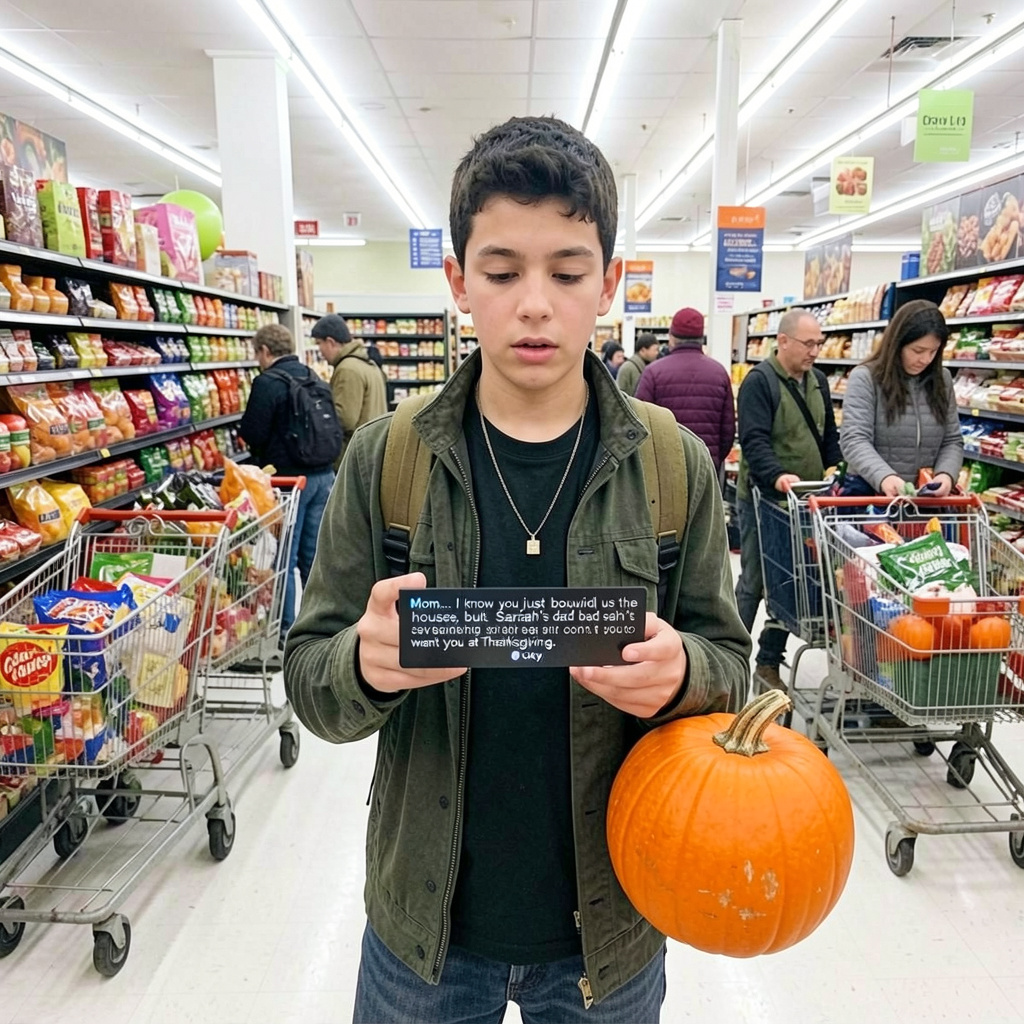
“Mom… what is this? Some kind of mistake? You can’t take back the house. We’ve already moved things in. Sarah’s parents are freaking out. Call me back.”
No “How are you?”
No “Why did you do this?”
Just panic.
Not for me.
For the house. I stared at the wall while the coffee cooled in my hands. Six years of silence suddenly made sense in a way I didn’t like. I wasn’t a mother to him anymore. I was infrastructure. A system. Something that existed to absorb problems.
At 8:10, Sarah called.
I let that one ring too.
By 9:00, I was sitting across from Linda Martinez again, watching her type calmly while the world I built for my son started to crack in real time.
“They received the notice,” she said. “The legal clock is running.”
“Good,” I replied.
But my voice surprised even me. It didn’t shake.
That afternoon, I went for a drive—not to their house, not yet. Somewhere quieter. Somewhere I could think without hearing my own history echoing back at me.
I passed neighborhoods I used to dream of living in. Then neighborhoods I used to think were “good enough” for my son. Then finally, I stopped at a small park and sat on a bench under a dying tree.
My phone buzzed nonstop.
Messages now turning sharper.
“Mom, this is insane.”
“You’re humiliating us.”
“Sarah’s parents think you’re unstable.”
“You’re ruining Thanksgiving.”
That last one stayed on the screen longer than the others.
Ruining Thanksgiving.
Not missing you.
Not what happened?
Just… ruining Thanksgiving.
I laughed once. Not because it was funny. Because it was finally honest.
I put the phone away.
And for the first time in years, I didn’t feel like I owed anyone an explanation.
By the third day, the tone changed.
Ethan showed up at my house.
I saw his car before I saw him—parked too fast, half on the curb, like impatience had been driving instead of him.
The knock wasn’t a knock. It was pressure.
When I opened the door, he looked older than I remembered. Not in years—in entitlement.
“Mom, we need to talk,” he said immediately.
I stepped aside but didn’t smile. “You’re already talking.”
He walked in without waiting to be invited. That part hurt more than I expected, but I didn’t show it.
He turned in the living room like he was checking inventory.
“This is ridiculous,” he said. “You can’t just take back a house.”
“I didn’t take anything,” I replied calmly. “I reversed a gift.”
“That’s not how it works.”
“It is when the agreement includes conditions,” I said.
His jaw tightened. “So this is about Sarah’s dad?”
I almost laughed again.
“No,” I said. “This is about you.”
That made him pause.
For a second—just a second—I saw something underneath his anger. Confusion. The kind that comes from realizing the world doesn’t bend automatically anymore.
“You’re punishing me because I didn’t invite you to Thanksgiving?”
I shook my head slowly. “No, Ethan. I’m responding to what you taught me.”
He scoffed. “I didn’t teach you anything.”
I walked to the table and picked up the purple folder. I opened it, slid out a page, and handed it to him.
“Read that,” I said.
He didn’t take it at first. Then he did.
His eyes moved fast at first. Then slower.
Then stopped.
That was the moment I saw it—understanding hitting him like weight.
Not anger.
Not denial.
Recognition.
“You’ve been keeping track?” he asked quietly.
“I stopped being careless,” I said. “There’s a difference.”
Silence filled the room. Real silence. Not the kind you ignore while life keeps moving. The kind that forces truth to stand still.
Then he said something I didn’t expect.
“We were going to pay you back.”
I looked at him.
“You weren’t,” I said.
And I wasn’t guessing.
I was remembering.
All the “next month” promises. All the forgotten conversations. All the times my needs were postponed like they were optional.
His phone buzzed. He glanced at it. Sarah.
He didn’t answer.
That told me more than anything else.
“I just…” he started, then stopped.
For the first time, he looked uncertain.
“I didn’t think you’d actually do something like this.”
There it was.
Not guilt.
Surprise.
As if consequences were a personality trait I had never been allowed to have.
“I know,” I said softly. “That’s the problem.”
Two weeks passed.
The house didn’t move.
But everything around it did.
Lawyers exchanged letters. Excuses turned into arguments. Arguments turned into silence again.
And Thanksgiving came and went without me.
I spent it alone.
Not sad. Not bitter.
Just… aware.
I cooked nothing elaborate. Just soup. Simple. Warm. Mine.
At 6:00 p.m., my phone lit up again.
Ethan.
This time, I answered.
There was noise on his end. Not celebration. Not laughter.
Tension.
“Mom,” he said. Different tone now. Lower. “We’re going to lose the house.”
“I know,” I said.
A pause.
“We didn’t think you’d actually go through with it.”
That phrase again.
I closed my eyes for a moment.
“You keep saying that,” I replied. “Like I was never supposed to choose myself.”
Silence.
Then, quieter:
“I didn’t know you felt like that.”
That line landed differently.
Not because it fixed anything.
Because it admitted something had been missing long before the house.
“I didn’t stop loving you,” I said. “I stopped being invisible.”
Another long pause.
Then, finally:
“What do you want us to do?”
That question mattered.
Not because it solved everything.
Because it was the first time he asked.
I looked around my quiet kitchen. The same one I had filled with sacrifice for years. The same one that now felt… mine again.
“I want respect,” I said. “Not when it’s convenient. Not when you need something. All the time.”
His breathing was uneven.
“I don’t know if we can fix this fast,” he admitted.
“I’m not asking for fast,” I said.
Another silence.
Then he said something small.
“I’m sorry… for what I said about Thanksgiving.”
It wasn’t perfect.
It wasn’t enough.
But it was the first real crack in the wall.
“I hear you,” I said.
And for the first time in a long time, I meant it both ways.
When I hung up, I didn’t feel victorious.
I didn’t feel defeated either.
I just felt… no longer owned.
Outside, the night was settling over the street.
Inside, the house was quiet in a different way than before.
Not empty.
Mine.
And somewhere in that silence, I understood something simple and final:
Sometimes love doesn’t end when you stop giving.
Sometimes it begins when you finally stop disappearing.