I’d spent weeks trying to maintain a friendly relationship with my new neighbor. It wasn’t until Thanksgiving that I realized I was apparently the only one making an effort.
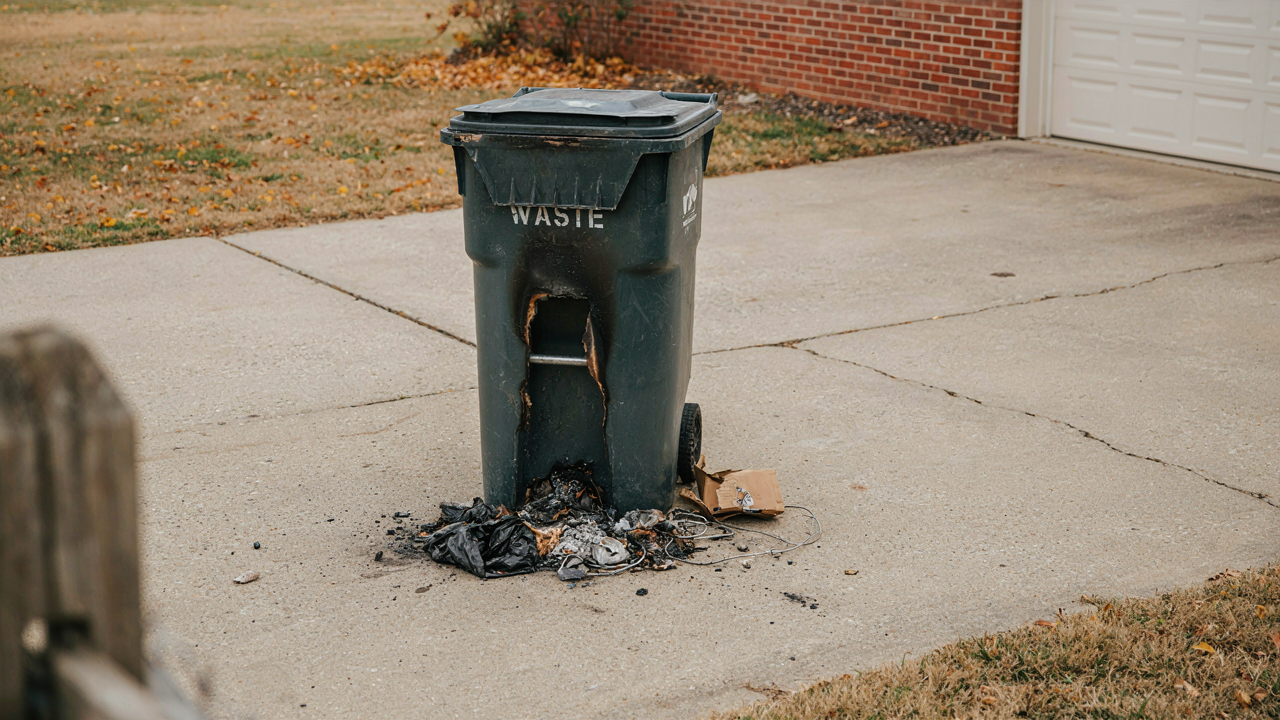
My trash can melted on Thanksgiving.
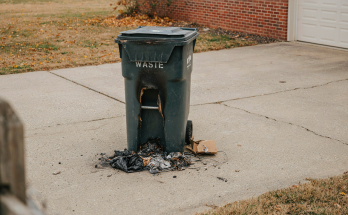
Around noon, I stepped outside with the kitchen garbage and discovered that one side had collapsed. Ashes and pieces of charcoal lay inside, while potato peels and coffee grounds were scattered across my driveway.
Next door, someone was asking whether there were any onions left.
Earlier that morning, I’d seen Denise entertaining guests and cooking on a portable charcoal grill.
I knew exactly where the charcoal had come from. I also had a fairly good idea of how Denise would respond when I confronted her.
I’m 76, and my husband, Frank, and I have lived in this neighborhood for years. I still refer to people who moved here nine years ago as “the new neighbors.”
Denise had only recently arrived.
The first time I discovered her inside our garage, she was carrying two of my flowerpots, with our rake hanging over her elbow.
When I asked what she was doing, she seemed surprised.
“What’s the big deal? I just moved in, and I need so many things. I’ll return them later.”
I actually allowed her to take everything.
I expected to see her at the mailbox the following morning, and avoiding an argument seemed easier.
Several days later, when I needed the rake, I went next door. Denise told me where she’d left it before returning to whatever she’d been doing.
I retrieved it from beside her back steps.
Unbelievably, I nearly thanked her.
Soon, she started taking gardening equipment, followed by our lawn mower.
One Saturday, Frank and I returned from grocery shopping to discover it missing. He checked our driveway camera, which showed Denise pushing the mower across the lawn.
We’d taken my car, leaving Frank’s inside the garage. He saved the recording because the mower’s handle had nearly struck his side mirror.
I went next door to retrieve it.
The next time we encountered Denise, we simply discussed the weather.
We’d always kept our garage open during daylight hours. After the mower incident, I began closing it whenever we left home.
Unfortunately, everything else in our yard remained accessible.
One afternoon, I discovered Denise’s hose attached to our outdoor faucet, stretching across both lawns into her swimming pool.
On another occasion, I caught her cutting three of my roses. She claimed she needed samples so she could grow identical ones.
The hose irritated Frank even more than the mower. He wanted to confront her, but I promised to handle everything.
Instead, I shut off the water, disconnected the hose, and left it neatly coiled on her property.
As for the roses, I’d intended to tell Denise to stop cutting them. Somehow, I ended up asking which color she wanted, practically offering gardening advice.
The garbage was the first issue I directly asked her to address.
Some mornings, I discovered that our cans were nearly full before I’d even disposed of our kitchen waste.
Then I caught Denise approaching with two enormous black garbage bags. She’d already deposited the first before I reached her.
“Denise, please use your own trash cans.”
“Mine are always full, and yours are practically empty. You two are retired. How much trash could you possibly have? What’s the problem?”
“If you don’t have enough room in your trash cans, please get some additional ones.”
She rolled her eyes and tossed in the remaining bag.
“Pfft, and pay extra for them? No, thanks. Why are you being so stingy? I only threw a couple of bags of trash into your cans.”
I witnessed her doing it several more times. Once, she even waved cheerfully while walking home.
I kept convincing myself that I’d made my request politely and shouldn’t need to repeat it.
One evening, Frank wondered why I was carrying kitchen garbage around the house.
Both outdoor cans were full again, but the smaller one near our back door still had space.
Making an extra trip seemed preferable to another pointless conversation with Denise.
On Thanksgiving, I brought the garbage inside and asked Frank to inspect the damaged can.
When it was safe to move, I dragged it next door. Only one wheel worked properly, forcing me to tilt the can sideways to maneuver it over the small step leading to her walkway.
“Did you dump hot coals into my trash can? Look what you’ve done!”
I’d barely managed to straighten it when Denise dismissed the damage with a wave.
“I cleaned out the grill. I thought the coals had already cooled down. It’s no big deal. Just buy a new trash can.”
My hands trembled as I gripped the handle.
Behind her, a guest reached across a folding table for a bread roll.
Apparently, I needed to explain in front of her guests why replacing the damaged trash can shouldn’t be my responsibility.
“Denise, you had no right to use my trash cans in the first place. You need to replace this one at your own expense.”
“Oh, come on! God, you’re such a cheapskate. I’m not buying you anything. You and your husband can use some of your retirement money to buy a new one. Now stop ruining our holiday!”
Someone behind her laughed.
Before I could respond, Denise closed the door.
What disturbed me most afterward was that I’d almost suggested sharing the replacement cost.
Despite her telling me to spend my retirement savings, I’d nearly agreed simply so we could resume exchanging friendly waves.
Fortunately, I returned home without making that offer.
Frank helped me collect the scattered garbage. After washing my hands, I put the potatoes on to boil and opened our security camera app.
Initially, I’d started the recording too late. Denise was already returning home carrying the grill.
I rewound it.
Both trash cans were clearly visible.
Denise approached hers first, lifted the lid, and examined the garbage bags inside. Then she closed it, crossed the lawn, and emptied her grill into mine.
She even lowered my lid afterward.
I replayed the footage twice.
Perhaps she’d genuinely believed the charcoal had cooled. Nevertheless, she’d checked her own can before deliberately using the one I’d repeatedly asked her to leave alone.
I’d been inside the kitchen the entire time. Had she knocked, I would’ve heard her.
I saved the footage, located Frank’s previous recording of the mower incident, and searched online for an identical replacement trash can.
The price appeared immediately.
I could easily have purchased another one before the potatoes finished cooking.
For a moment, I even had the ordering page open.
Our family arrived, we enjoyed Thanksgiving dinner, and everyone eventually departed with leftovers.
While Frank struggled to fit a lid over the remaining pie, I retrieved our large serving platter.
I’d already washed it earlier. After drying the rim, I placed everything I’d prepared on it and covered it with the domed lid.
Several cars remained outside Denise’s house.
When she answered the door, her guests were still chatting loudly. Upon noticing the platter, she smiled and extended both hands.
I removed the lid.
Her hands fell, and her face suddenly turned pale.
“Are you kidding me?! No, cancel it! Right now!”
On top was an appointment confirmation for a Monday morning telephone consultation with our community mediation center.
Beneath it lay a signed letter specifying the replacement cost of the damaged trash can.
I’d also printed two photographs.
One showed Denise emptying her grill into my garbage can. The other captured her removing our mower from the garage.
I particularly wanted her to see the second photograph.
We’d previously discussed returning the mower, but we’d never addressed why she’d considered taking it without permission acceptable.
She lifted the photograph by its corner, examined the date, and placed it facedown.
“What did you tell them?”
“It was an online calendar. I picked a time.”
Denise glanced toward our house before looking behind her.
Someone asked whether she needed assistance. She declined and partially closed the door.
“I’ll buy the can,” she said, lowering her voice. “Is that what you want? I’ll buy it. Just call them and cancel.”
Earlier that day, I would’ve gratefully accepted her offer. Knowing myself, I probably would’ve apologized for disturbing her celebration.
Now she was willing to replace the can, provided I abandoned everything else.
She reached for the documents, but I maintained my grip on the platter.
“I’ll take the call on Monday.”
I extended the platter.
For a moment, I expected her to slam the door again. Instead, she collected the documents, pressed them against her chest, and disappeared inside.
Back home, Frank asked what had happened.
I explained that Denise had offered to replace the can. When he asked whether I still intended to attend the consultation, I confirmed that I did.
Saying it inside my own kitchen felt considerably easier.
On Monday, I spoke with a woman named Carol.
She asked what outcome I hoped for.
I began discussing the damaged trash can but somehow ended up talking about the rake. I explained how Denise had directed me toward it before casually returning to her activities, almost as though she’d done me a favor.
“The next time you need the rake, where do you want it to be?”
“In my garage,” I said. “Where I put it.”
The mediation center contacted Denise separately.
She wasn’t obligated to participate, but she later explained that she’d agreed because she wanted everything resolved in a single conversation.
By then, we’d passed each other at the mailbox twice without exchanging a word.
I was equally exhausted by the situation. During our second encounter, I’d nearly mentioned the weather.
Some habits were difficult to break.
We met the following week, sitting around a small round table with Carol.
Denise placed my neatly folded letter between us and tapped the replacement price.
“I said I’d pay this. I don’t know what else you want me to say about the charcoal. I thought it was cold.”
“I believe you thought it was cold.”
She looked surprised, apparently expecting me to challenge her explanation.
I placed my phone on the table and played the recording beginning with Denise inspecting her own garbage can.
Together, we watched her close the lid and cross the lawn.
When the video finished, she expected me to retrieve my phone, but I left it between us.
“What made you come over to mine after you checked yours?”
“Mine was full. I figured you’d have room.”
I paused, hoping she’d recognize how familiar her explanation sounded.
“I’d asked you to use your own, Denise.”
She pulled the letter closer, running her thumb along its crease.
“Well, your garage is always open. I thought we were the kind of neighbors who could borrow from each other.”
I opened the mower recording.
There she was, carefully maneuvering the handle around Frank’s side mirror.
Sending me a text would’ve taken another ten seconds.
“We were out buying groceries,” I said. “You could have called me. You could have waited until we got home. I only got it back because I came over and asked where it was.”
She began responding but stopped and glanced at the recording again.
“I figured you’d come get it if you needed it,” she said.
Apparently, retrieving my belongings had always been my responsibility.
I mentioned disconnecting her hose and watching her cut my roses.
I wanted to keep my garage open while gardening without constantly wondering which belongings I’d need to retrieve from next door.
Denise remained silent before asking what she still had.
I mentioned the trowel and long-handled cultivator, explaining that the latter had green tape around its handle.
That helped her remember she’d left it behind her shed.
Carol helped us prepare a written agreement.
Denise would cover the replacement cost, remove the damaged can and the garbage we’d collected, and return our gardening tools by Saturday.
She agreed not to enter our garage without an invitation and to use her own faucet and garbage cans.
She would leave my roses untouched.
Whenever she wanted to borrow something, she’d knock and wait for permission.
Both of us reread that final condition before signing.
Having such an obvious rule documented felt strange, but it was precisely what I wanted us to remember.
Shortly after breakfast on Saturday, someone knocked.
Denise stood outside holding both gardening tools and an envelope.
She’d washed the dirt off the cultivator, and the green tape remained around its handle.
I counted the money in her presence. It matched the amount specified in my letter.
She collected the melted trash can and the garbage bag we’d placed beside it.
One wheel became stuck where our driveway joined the street.
I nearly stepped outside to help her.
Instead, I watched her reverse, reposition the can, and maneuver it away herself.
A week later, I was inside the kitchen when Denise knocked again.
Our garage was open.
“Could I borrow your pruning shears?”
They were lying on the workbench, and I could easily have lent them to her for an hour.
I almost agreed.
But then I’d probably spend the afternoon wondering whether I’d have to retrieve them myself.
“I’m using them this afternoon.”
“Okay,” she said. “I’ll see you later, Ruth.”
She returned home, and I resumed what I’d been doing.
Later, when I went outside to prune my roses, the shears were exactly where I’d left them.
But here’s the real question: If your neighbor agreed to pay for the damage only after you took further action, would you simply accept the money and forget everything else?