My Father Slapped Me in Front of My Sick Daughter—They Had No Idea What I Was About to Do
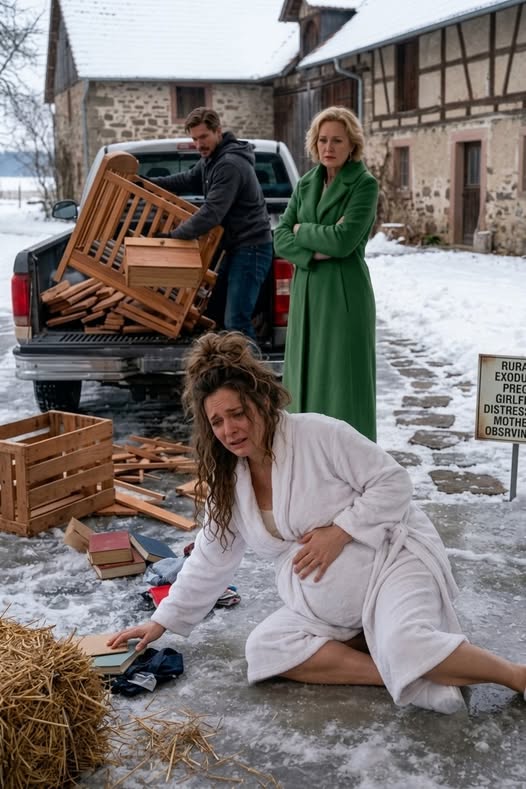
The blood hit the kitchen tile before I understood my father had actually slapped me.My daughter, still wearing her hospital wristband, screamed like the whole house had caught fire.“Mom!”
I pushed myself up on one elbow.The room swam.My cheek burned. My lip was split.
Across from me, my father stood with his hand still raised.
For one terrible second, nobody moved.
My mother stood beside the kitchen counter, arms folded, looking at me as if I were the one who had done something wrong.“Maybe now you’ll obey,” my father sneered.My daughter ran toward me.
“Mommy!”I pulled her against my chest.She was only eight.She had spent the last six hours in the emergency room because of a severe asthma attack. She was exhausted, frightened, and still had a tiny plastic hospital bracelet around her wrist.
And now she was watching her grandfather hit her mother.
I held the back of her head.
“It’s okay, sweetheart.”“It isn’t!”Her little body shook against mine.My father rolled his eyes.“She needs to learn that adults have responsibilities.”I looked up at him.Something inside me had gone completely quiet.
Not calm.Not peaceful.Quiet.My mother pointed toward the front door.“Your things are outside.”I turned my head.Through the open doorway, I could see our belongings scattered across the porch and driveway.
My daughter’s pink backpack.
Her schoolbooks.
Our clothes.My kitchen dishes.The small wooden box containing photographs of my late grandmother.Even the blanket my daughter slept with every night was lying in the dirt.My mother had thrown everything out while we were at the hospital.
“You said you couldn’t pay the rent,” she said. “So you can’t stay here.”I stared at her.“Mom, you know I was at the hospital.”“And?”“And my daughter was sick.”“She’ll recover.”I couldn’t believe what I was hearing.
“You demanded two thousand dollars from me this morning.”
“Yes.”
“I told you I didn’t have it.”
“You always have excuses.”
I looked at my father.
“You hit me because I wouldn’t give you money?”
He shrugged.
“You were warned.”
My daughter buried her face in my shoulder.
I felt her tears soaking through my shirt.
Then my father said something that changed everything.
“You have until tonight. Either pay the $2,000 or get out.”
I slowly stood.
My knees were shaking, but I stayed upright.
“You want me to pay $2,000 tonight?”
“Yes.”
“And if I don’t?”
My mother answered.
“Then you and your daughter sleep somewhere else.”
I looked around the house.
The house I had helped maintain for years.
The house where I had paid utility bills when my father was unemployed.
The house where I had bought groceries.
The house where I had spent countless nights caring for my mother after her surgery.
And now they were throwing me out.
Because I couldn’t hand them $2,000 on demand.
I wiped the blood from my lip.
“Fine.”
My mother smiled.
“Good. So you’ll pay?”
“No.”
Her smile disappeared.
“I’ll leave.”
My father laughed.
“Where are you going?”
I looked directly into his eyes.
“Somewhere you can’t hurt us.”
He scoffed.
“You have nowhere to go.”
I didn’t answer.
Because for the first time, he was wrong.
I picked up my daughter’s backpack from the porch.
Then I picked up her blanket.
She stayed close to me.
“Mommy, where are we going?”
I looked down at her.
“Somewhere safe.”
My father stepped toward me.
“You’re not taking anything from this house.”
I stopped.
“Everything outside belongs to me or my daughter.”
“Not anymore.”
I reached into my pocket.
My fingers closed around my phone.
“I wouldn’t do that.”
He frowned.
“What?”
I raised the phone slightly.
“Keep touching me.”
His face changed.
My mother stepped forward.
“Are you threatening your father?”
“No.”
I looked at both of them.
“I’m warning him.”
Then I walked out.
Neither of them followed.
Not yet.
We spent that night in a cheap hotel three towns away.
My daughter slept curled against my side.
I sat awake.
My cheek had swollen badly.
Every time I looked at the bathroom mirror, I saw the same thing.
A purple mark spreading across my face.
A cut on my lip.
And the expression of my daughter when she saw her grandfather hit me.
That expression hurt more than the slap.
Around midnight, she woke up.
“Mom?”
“I’m here.”
“Did Grandpa hurt you?”
I swallowed.
“Yes.”
“Why?”
I didn’t know how to answer an eight-year-old.
So I told her the truth.
“Sometimes adults make very bad choices.”
She thought about that.
“Are we going back?”
“No.”
She relaxed slightly.
“Good.”
I kissed her forehead.
Then she asked the question I had been dreading.
“Are we poor now?”
My chest tightened.
“No, sweetheart.”
“But Grandpa said we had no money.”
I stared at the ceiling.
My father had spent years telling my daughter that I was irresponsible.
That I couldn’t manage money.
That I needed them.
He had made sure she believed I was dependent on them.
But he had never known the truth.
Because I had deliberately kept it hidden.
I reached into my suitcase.
Underneath a stack of clothes was a small black folder.
I opened it.
Inside was a bank statement.
Then another.
Then another.
My daughter watched me.
“What’s that?”
“Something I should have told you sooner.”
I pulled out my phone.
There was an email waiting for me.
The subject line read:
FINAL CLOSING DOCUMENTS — CONFIRMED
I opened it.
The sale had officially closed.
The property had transferred.
The funds had been deposited.
I stared at the number.
$2,417,800.00
My daughter didn’t understand what she was seeing.
I smiled weakly.
“We’re going to be okay.”
The next morning, my phone started ringing.
My mother.
I ignored her.
Then my father.
Ignored.
Then my mother again.
I finally answered.
“What?”
“You need to come back.”
“No.”
“Don’t be childish.”
“I don’t think I’m the one being childish.”
“We talked it over.”
“You talked it over?”
“Yes. Your father regrets what happened.”
I almost laughed.
“Does he?”
“He was angry.”
“He slapped me.”
“He barely touched you.”
I closed my eyes.
There it was.
The sentence I knew she’d say.
“He barely touched you.”
I looked at my swollen cheek.
“Tell Dad I’ll see him in court if he contacts me again.”
My mother went silent.
Then her voice changed.
“Court?”
“Yes.”
“You wouldn’t.”
“I already did.”
She hung up.
That was when I knew she was scared.
But I wasn’t finished.
Not even close.
Three days earlier, while my daughter was in the emergency room, I had received a message from my attorney.
The final documents were ready.
The property sale had closed.
The property my father believed belonged to him.
The property my mother believed she controlled.
The property they had been demanding I pay rent for.
It had never belonged to them.
It belonged to me.
My grandmother had left it to me in her will.
Years ago, my father convinced me not to tell anyone.
He said my mother would become jealous.
He said relatives would try to take advantage.
So I kept quiet.
The house was valuable.
Very valuable.
I had rented out a small portion of it for years and saved almost every dollar.
Eventually, I invested the money.
Then the property appreciated dramatically.
When I finally decided to sell it, I knew exactly what I wanted to do.
Buy a safe home for my daughter.
Set aside money for her education.
And help my parents only if they treated me with respect.
Instead, they demanded $2,000.
Then they threw us out.
Then my father hit me.
And now they were going to discover exactly how much they had misjudged me.
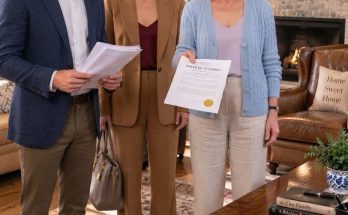
That afternoon, I met my attorney.
Her name was Elena.
She looked at my face.
“I saw the photos.”
“I didn’t want to make a big deal out of it.”
She shook her head.
“This is already a big deal.”
I sat across from her.
“What happens now?”
“You have several options.”
She opened a folder.
“First, we document the assault. Second, we address the eviction and your belongings. Third, we make sure they cannot access your financial accounts or property.”
I nodded.
“And the house?”
She smiled.
“The house is yours.”
I exhaled.
“Even though they say I owe rent?”
“You don’t owe them rent.”
She pushed a document toward me.
“Actually, according to the records, you’ve been paying expenses on that property for years.”
I looked at the numbers.
Thousands of dollars.
Utilities.
Repairs.
Taxes.
Insurance.
My parents had contributed almost nothing.
I stared at the paperwork.
“All this time…”
Elena nodded.
“They knew you were supporting the property.”
My hands tightened.
“So why did they demand $2,000?”
She looked at me.
“Because they thought you’d keep paying.”
That sentence stayed with me.
They hadn’t needed my money.
They had needed my obedience.
The following morning, I returned to the house.
Not alone.
My attorney had arranged for an officer to accompany me while I retrieved the rest of our belongings.
My father opened the door.
His expression changed when he saw who stood behind me.
“What is this?”
“I came for my things.”
“You’re not taking anything.”
The officer stepped forward.
“She has the right to retrieve her belongings.”
My father stared at me.
“You called the police?”
“No.”
I looked at him calmly.
“My attorney did.”
My mother appeared behind him.
“Please don’t do this.”
I almost smiled.
“Don’t do what?”
“Destroy the family.”
I looked around.
“My daughter was bleeding from fear because she watched you throw our belongings outside.”
My mother lowered her eyes.
“And Dad hit me.”
She said nothing.
I walked inside.
Every room felt different.
Not because the house had changed.
Because I had.
I went upstairs and collected my daughter’s clothes.
Her books.
Her toys.
Then I went into my old bedroom.
My mother had emptied the drawers.
But she had missed one thing.
A small envelope hidden behind the back panel of the closet.
I pulled it out.
Inside was my grandmother’s original letter.
My father’s handwriting appeared on the outside.
He had written:
Don’t show Mom.
I opened it.
My grandmother’s words were still there.
She had known.
She had written that the property was intended to provide me with security.
Not my parents.
Not my siblings.
Me.
Because she had seen how my father treated me.
She had written:
If they ever try to convince you that you are worthless without them, remember this: you built your own life long before they gave you permission to.
I sat on the floor.
And cried.
Not because I was sad.
Because she had known this day might come.
That evening, my mother called again.
I answered.
“What do you want?”
“I want to apologize.”
I waited.
“Your father shouldn’t have hit you.”
“That’s true.”
“He was stressed.”
“That’s not an excuse.”
“No.”
She paused.
Then whispered:
“Can you help us?”
There it was.
I almost admired the honesty.
“You threw me out.”
“I know.”
“You demanded $2,000.”
“I know.”
“Dad hit me.”
“I know.”
“And now you want my help?”
“We’re your parents.”
I stared at the hotel room wall.
“You were my parents when you did those things too.”
Silence.
Then she said:
“We didn’t know you had money.”
I closed my eyes.
That was the truth.
Not regret.
Not shame.
Money.
They were sorry because they had discovered I wasn’t powerless.
I said quietly:
“That’s exactly why I never told you.”
“What?”
“I wanted to know whether you loved me.”
Her breathing changed.
“And now I know.”
She started crying.
But I didn’t feel cruel.
I felt free.
“I hope you both find peace,” I said.
Then I hung up.
Two weeks later, my daughter and I moved into our new house.
It wasn’t enormous.
It didn’t need to be.
It had three bedrooms, a small backyard, and a tree in front that my daughter immediately declared was “her tree.”
We painted her bedroom lavender.
We bought a new bed.
We put her hospital bracelet inside a memory box.
Not because we wanted to remember the frightening night.
But because we wanted to remember what happened afterward.
The day we chose ourselves.
Then something unexpected happened.
My father showed up.
He stood outside the gate.
I walked toward him.
“You shouldn’t be here.”
“I just want to talk.”
“No.”
He stared at me.
“You’re really doing this?”
“Yes.”
“I am your father.”
“And I’m your daughter.”
He looked down.
For the first time in my life, he seemed smaller.
“I was wrong.”
I didn’t respond.
“I shouldn’t have hit you.”
“No.”
“I was angry.”
“No.”
He swallowed.
“I thought you had nothing.”
I looked at him.
“That was the problem.”
He didn’t understand.
So I explained.
“You thought I had nothing because I didn’t brag about what I had.”
He looked away.
“I thought you needed us.”
“I did need you.”
He looked at me.
“When?”
“When I was eight.”
Silence.
“When I was sixteen.”
His eyes lowered.
“When I was pregnant.”
His jaw tightened.
“When my daughter was born.”
I stepped closer.
“I needed parents. Not landlords.”
He said nothing.
“And I needed a father who would protect me, not slap me.”
His eyes became wet.
I expected myself to feel victorious.
Instead, I felt tired.
“Please leave.”
He nodded.
Then he walked away.
I watched him reach the sidewalk.
For a second, I almost called him back.
But I didn’t.
Because forgiveness doesn’t always mean reopening the door.
Sometimes it means closing it without hatred.
Six months later, my daughter had another asthma appointment.
This time, we walked into the hospital together.
She held my hand.
No grandfather.
No grandmother.
No screaming.
No fear.
Just us.
After the appointment, we stopped for ice cream.
She looked at me.
“Mom?”
“Yes?”
“Are we still rich?”
I laughed.
“Why do you ask that?”
“Because Aunt Elena said you don’t have to worry about money anymore.”
I smiled.
“We have enough.”
“Enough for what?”
“Enough for a safe home.”
She nodded seriously.
“Enough for ice cream?”
I laughed harder.
“Yes.”
She chose chocolate.
I chose vanilla.
We sat outside in the sunshine.
Then she looked at me.
“Mom?”
“Yes?”
“Grandpa was mean to you.”
I didn’t correct her.
“He was.”
“Are you sad?”
I thought about the house.
The slap.
The blood.
The hospital bracelet.
The things thrown into the yard.
The years of being made to feel small.
Then I looked at my daughter.
“No.”
She smiled.
“Why?”
I squeezed her hand.
“Because sometimes the worst day of your life becomes the day you finally discover how strong you are.”
She nodded as if she understood.
Maybe she did.
A year later, I received one final letter from my parents.
They had sold their belongings and moved to another state.
My mother wrote that they had been forced to confront their behavior.
My father had started counseling.
They weren’t asking for money.
They weren’t asking to move in.
They weren’t demanding forgiveness.
They simply apologized.
I read the letter twice.
Then I put it in a drawer.
I didn’t throw it away.
I didn’t answer.
Because I had learned something important.
You don’t have to hate people to protect yourself from them.
You don’t have to scream to prove you’re strong.
And you don’t have to destroy someone who tried to destroy you.
Sometimes the strongest revenge is simply building a life they can no longer control.
My daughter and I were standing in our kitchen one evening when she suddenly looked at me.
“Mom?”
“Yes?”
“Remember when Grandpa hit you?”
I froze.
She continued.
“I thought that was the worst day.”
I knelt beside her.
“What do you think now?”
She smiled.
“I think it was the day we got our own house.”
I hugged her.
She wrapped her arms around my neck.
And for the first time, I understood something I had missed all those years.
My father thought the slap would make me obey.
My mother thought throwing us out would make me desperate.
They thought taking away our home would make me crawl back.
They were wrong.
They didn’t break me.
They gave me the courage to finally walk away.
And the blood that hit that kitchen tile?
It wasn’t the end of my story.
It was the moment I stopped letting them write it.