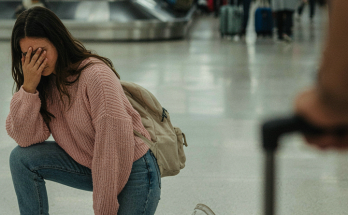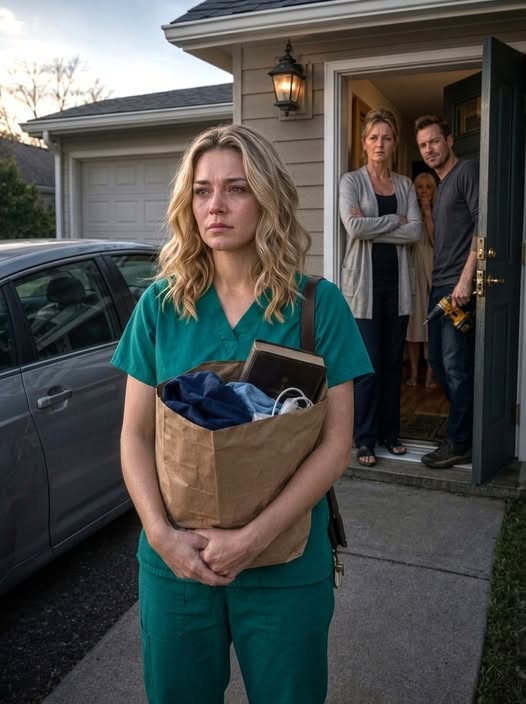
The first time I buried Gabriel, there wasn’t even a body.That was what haunted me most.No last look. No goodbye. Just a polished mahogany casket sitting beneath white lilies while everyone whispered that the town troublemaker had destroyed the Whitmore family’s golden son.I was sixteen.Gabriel was seventeen.For thirty years, I believed I’d killed him.The town of Maple Ridge loved the Whitmores.They owned the lumber mill, donated to the church, sponsored every Little League team, and had enough money to influence judges, newspapers, and opinions.
My mother cleaned motel rooms.
My father had disappeared before I was born.
To everyone in town, Gabriel Whitmore dating Emily Carter wasn’t a romance.It was a scandal.But Gabriel never cared.He climbed through my bedroom window every Friday night carrying cheap diner milkshakes because he knew I loved chocolate.”You know,” he’d grin, “if my parents ever find out, they’ll probably hire security.””They already hate me.””They hate anyone who thinks for themselves.”Then he’d kiss my forehead, and for a while, the world became quiet.His parents had another plan.Harvard.Politics.A marriage to some senator’s daughter someday.Not a future with a girl whose shoes came from thrift stores.
The summer before senior year, they banned him from seeing me.
He ignored them.
He always found a way.One afternoon he called from a pay phone.”Meet me Saturday.””I can’t.””You have to.””Your father threatened my mom.””I know.”His voice softened.”I’ve got a surprise.”Saturday never happened.That Friday night, lightning struck near the Whitmore family’s lake cabin.The cabin burned to the ground.Firefighters found one body.They said dental records confirmed it was Gabriel.The sheriff questioned me for six hours.His mother screamed in the hallway.”You killed my son!”His father stared coldly.”If she’d stayed away from him, he’d still be alive.”
The newspaper headline read:
LOCAL TEEN DIES IN CABIN FIRE. GIRLFRIEND QUESTIONED.
No charges were filed.
But in a small town, innocence didn’t matter.
Rumors became truth.
Within months, my mother and I moved away.
Life kept moving because it had no choice.
I became a nurse.
Married at twenty-eight.
Had no children.
Divorced fifteen years later after discovering my husband preferred gambling over honesty.
At forty-six, I lived alone in a quiet neighborhood outside Asheville.
Peaceful.
Predictable.
Lonely.
I thought the hardest part of my life was behind me.
Then the moving truck arrived next door.
I was watering roses when he climbed down from the truck.
Gray touched his dark hair.
His shoulders were broader.
His face older.
But those eyes…
Blue.
Impossible blue.
The watering can slipped from my hands.
Water splashed across my shoes.
He looked over.
Our eyes met for only two seconds.
He nodded politely.
Then continued unloading boxes.
I stood frozen.
“No,” I whispered.
“It can’t be.”
For four days I watched through my kitchen window like some guilty teenager.
He worked in the yard.
Built flower beds.
Walked a golden retriever every evening.
Sometimes he’d laugh with movers.
Sometimes he’d disappear for hours.
Every movement reminded me of someone I’d buried decades earlier.
I convinced myself grief was playing tricks.
People have doubles.
Coincidences happen.
That’s all.
On the fifth evening, my doorbell rang.
I opened it.
There he stood.
Holding a small apple pie.
“I’m your new neighbor.”
Same smile.
Older.
Gentler.
“My baking isn’t very good,” he said.
“But my sister insists neighbors should introduce themselves with food.”
I couldn’t breathe.
His voice.
It hadn’t changed.
Not really.
Just deeper.
“I’m… Emily.”
“I know.”
He caught himself immediately.
“I mean…”
He smiled awkwardly.
“The mailbox.”
We stood there in silence.
Then the pie shifted.
His sleeve slid backward.
My heart stopped.
Burn scars wrapped around his wrist.
Jagged.
Shiny.
Old.
And there…
Near his thumb…
A tiny crescent-shaped scar.
I knew exactly where it came from.
When we were fifteen we’d tried carving our initials into a tree.
The pocketknife slipped.
I’d cried harder than he had.
I grabbed his wrist.
“Gabe?”
His face emptied of color.
“You weren’t supposed to recognize me.”
He left before I could speak again.
I didn’t sleep.
By sunrise I marched next door and knocked until he answered.
“You owe me the truth.”
He stared for a long moment.
Then stepped aside.
“I suppose I do.”
The house smelled of fresh paint.
Boxes still lined the hallway.
He motioned toward the living room.
“I’ve rehearsed this conversation in my head for thirty years.”
“You died.”
“I almost did.”
“They buried you.”
“They buried someone else.”
I laughed.
Not because it was funny.
Because it was impossible.
“Explain.”
The fire had started exactly as reported.
Lightning.
The cabin caught quickly.
Gabriel had been inside preparing the surprise.
A tiny engagement promise.
Not a ring.
Just matching silver bracelets engraved with:
Wait for me.
He wanted to give them to me after graduation.
When flames spread, he escaped through a back window.
But another body was discovered inside.
A drifter who had broken into the abandoned boathouse earlier that day.
The burns made identification nearly impossible.
Gabriel suffered severe burns and collapsed in the woods.
A truck driver found him unconscious forty miles away.
He remained in a coma for weeks.
“When I woke up,” he said quietly, “my father was sitting beside the bed.”
I clenched my fists.
“He told me everyone believed I was dead.”
I stared.
“He said…”
Gabriel swallowed.
“…that you’d confessed loving someone else.”
“I never—”
“I know.”
“He said you blamed me for ruining your life.”
Tears blurred my vision.
“He lied.”
“I figured that out eventually.”
“But then he gave me a choice.”
Gabriel’s father controlled everything.
Doctors.
Lawyers.
Money.
He told his son the Whitmore name would disappear forever.
New identity.
Private treatment overseas.
Education.
A fresh start.
Or…
Return home to a girl who supposedly wanted nothing to do with him.
A girl everyone blamed.
A town ready to tear them apart.
At seventeen.
Broken.
Burned.
Drugged.
He believed his father.
“I signed papers I barely understood.”
“You never looked for me?”
“I tried.”
Years later, Gabriel hired investigators.
Emily Carter had moved.
Married.
Changed states.
Changed names after marriage.
Records were scarce before the internet.
He found traces.
Then lost them again.
Every few years he’d search.
Always too late.
“I almost found you twelve years ago.”
“What happened?”
“You’d just moved after your divorce.”
I stared.
“I missed you by three weeks.”
“So why here?”
He smiled sadly.
“Because six months ago another investigator finally found you.”
“You… moved next door?”
“I bought the house.”
I blinked.
“Intentionally?”
“Yes.”
“You’ve been looking for me for thirty years?”
“Every year.”
Anger finally surfaced.
Thirty years of funerals.
Birthdays.
Loneliness.
Thirty years stolen.
I stood.
“You should have knocked immediately.”
“I didn’t know if you hated me.”
“I buried you!”
“I know.”
“I cried over an empty coffin!”
“I know.”
“You let me believe I killed you.”
“I didn’t know you believed that.”
His own eyes filled.
“When I learned what my parents had done…”
He looked away.
“They were already dead.”
His father had died of a stroke.
His mother from cancer two years later.
Only after sorting through family documents did Gabriel discover hidden letters.
Every single one addressed to him.
Every single one from Emily.
None had ever been mailed to him.
Instead, his parents kept them locked inside a safe.
Thirty-two letters.
Each beginning the same way.
Dear Gabe…
He handed me a faded bundle tied with blue ribbon.
My handwriting.
My tears stained the pages.
“I wrote one every birthday.”
“I know.”
“I read every single one.”
I cried until sunset.
Not delicate tears.
Thirty years of grief pouring out all at once.
He sat beside me without speaking.
Just as he had when we were teenagers.
Some things never changed.
Healing wasn’t magical.
It wasn’t instant.
In fact, the next months were painfully awkward.
We were strangers carrying memories of people we’d once been.
He preferred black coffee now.
I liked tea.
He woke before sunrise.
I stayed up reading until midnight.
He had a slight limp from nerve damage.
I had arthritis in one knee.
Time had shaped us differently.
Yet somehow…
We still laughed at the same jokes.
Finished each other’s stories.
Remembered songs no one else knew.
The biggest surprise came one rainy afternoon.
He handed me a tiny velvet box.
Inside lay two tarnished silver bracelets.
One slightly melted from heat.
The engraving remained.
Wait for me.
“You kept them?”
“They survived the fire.”
“I almost threw them away a hundred times.”
“But I couldn’t.”
Neither could I.
That autumn we returned to Maple Ridge.
Not because either of us wanted to.
Because ghosts don’t disappear until they’re faced.
The lake cabin was long gone.
Only a stone chimney remained.
The sheriff had retired.
Most people barely remembered.
But some did.
An elderly waitress recognized us instantly.
“My Lord…”
She covered her mouth.
“Gabriel?”
Word spread through town before lunch.
People stared.
Some apologized.
Some avoided eye contact.
Truth travels slower than lies.
But eventually…
It arrives.
The biggest confrontation happened at the cemetery.
Gabriel stood before the headstone bearing his own name.
Beloved Son.
Born 1962.
Died 1979.
He laughed softly.
“Strange.”
“What?”
“I’ve spent thirty years walking around while everyone thought I was underneath this stone.”
I squeezed his hand.
“What now?”
He looked toward me.
“We live.”
“That’s it?”
“Isn’t that enough?”
Six months later, workers quietly removed the headstone.
The unidentified man buried beneath it finally received his own proper name after modern DNA testing.
His remaining family attended the reburial.
For the first time in nearly fifty years, the stranger rested under the correct identity.
Gabriel stood silently throughout the ceremony.
“Someone else lost a son that day too.”
One year later, in the same backyard where he’d first brought over an apple pie, Gabriel knocked on my door again.
This time carrying no dessert.
Only a small wooden box.
Inside rested the restored bracelets.
Beside them…
A ring.
“I know we’re not sixteen anymore.”
I laughed through tears.
“Thankfully.”
“We’ve wasted enough time.”
He knelt carefully, his bad knee protesting.
“Emily Carter…”
No one had called me that in decades.
“…will you marry me?”
I touched the burn scars on his hand.
The hand I’d thought was ash.
The hand I’d mourned.
The hand fate had somehow returned.
“Yes.”
People often ask whether I regret losing thirty years.
Of course I do.
Thirty birthdays.
Thirty Christmases.
Thirty anniversaries that never happened.
Children we never had.
Dreams that disappeared before they began.
Those losses can never be replaced.
But regret isn’t the whole story.
Because love isn’t measured only by the years you spend together.
Sometimes it’s measured by the years you never stop waiting.
Every wrinkle on Gabriel’s face reminds me of time stolen.
Every scar reminds me that survival comes with a price.
Every morning I wake beside the man I once buried, and I remember something extraordinary:
The world convinced me that love had died in a fire.
It hadn’t.
It had simply spent thirty years finding its way back home.