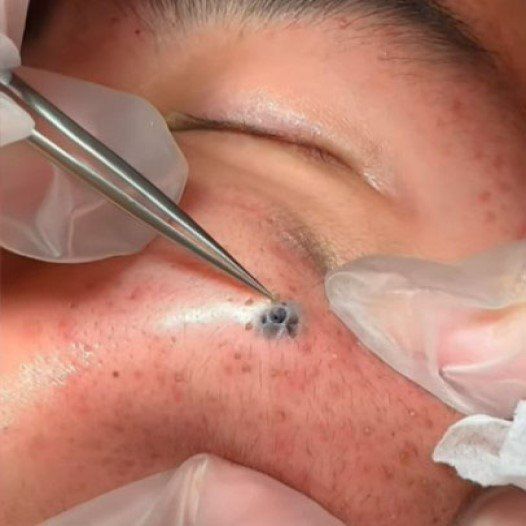
The goal of these procedures is not just temporary clearing but setting the stage for long-term health. Severe acne, as displayed, is often a chronic condition requiring ongoing management.
1. Scarring and Post-Inflammatory Marks: The severity of the inflamed lesions means the patient is at a high risk for Post-Inflammatory Hyperpigmentation (PIH)—dark spots left after the inflammation subsides—and Acne Scarring (indented or raised marks). Professionals will follow up the extraction process with treatments aimed at minimizing this damage, such as:
2. Preventative Skincare and Medical Treatment
To prevent the recurrence of such severe congestion, a sustained, therapeutic approach is necessary, often guided by a dermatologist:
-
Topical Retinoids: Medications like Tretinoin or Adapalene are essential for regulating cell turnover and preventing the formation of new comedones.
-
Oral Medications: For cystic acne, oral antibiotics, hormonal therapies, or Isotretinoin may be necessary to control inflammation and oil production systemically.
-
Gentle Cleansing: Despite the severe oiliness and congestion, the skin is highly sensitive post-extraction, requiring non-irritating, gentle cleansers and non-comedogenic moisturizers.
In conclusion, these high-magnification images serve as a powerful reminder of the complexity of acne management. They underscore the necessity of skilled, professional intervention to address severe lesions, clear chronic congestion, and establish a foundation for healing to prevent lasting dermatological damage.