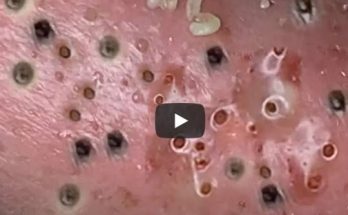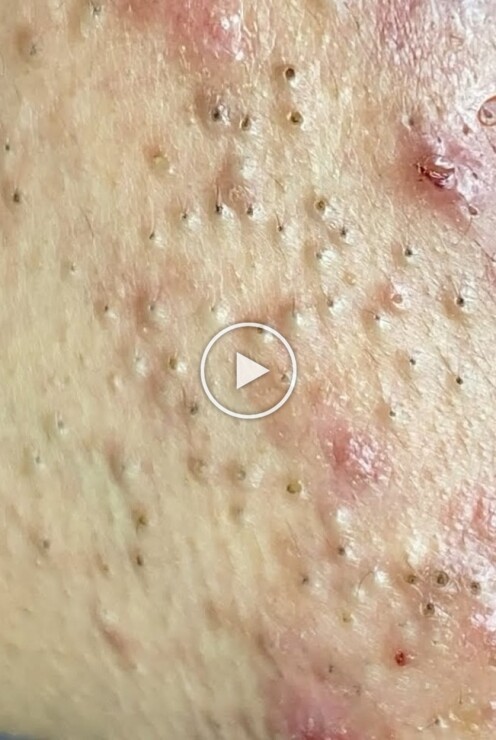
The image you provided, which appears to be a close-up photograph or a still frame from a video (indicated by the play button icon), shows a patch of skin characterized by several features. This article will delve into what these features likely represent, the factors contributing to their appearance, and strategies for skincare and management.
What the Image Likely Depicts
The skin in the image exhibits several common dermatological characteristics, primarily centered around enlarged pores and the presence of blackheads and potentially inflammatory acne or irritation.
-
Prominent Pores/Blackheads: The most striking feature is the numerous small, dark spots scattered across the skin. These are highly characteristic of open comedones, commonly known as blackheads. A blackhead forms when a pore (hair follicle) becomes clogged with sebum (oil) and dead skin cells. The ‘black’ color is not dirt, but rather the oxidation of the trapped material upon exposure to air. This condition is a mild form of acne.
-
Enlargement and Texture: The skin texture appears somewhat uneven and possibly slightly thickened or congested. The pores themselves look visible, which often happens in areas prone to oiliness, such as the nose, forehead, and chin (the T-zone), but can occur elsewhere.
-
Inflammation/Irritation: In some surrounding areas, particularly near the edges of the visible skin patch, there are patches of redness and some raised, inflamed lesions. This suggests the presence of inflammatory acne (papules or pustules) or general skin irritation caused by existing blemishes, underlying sensitivity, or perhaps attempts at extraction.
💡 Factors Contributing to These Skin Conditions
Several elements play a role in the visibility of pores and the development of blackheads and acne:
-
Excess Sebum Production: People with naturally oily skin tend to produce more sebum. This excess oil, when combined with dead skin cells, easily clogs the hair follicles, leading to blackheads and other acne lesions.
-
Genetics: Pore size is largely determined by genetics. If your parents have naturally larger, more visible pores, you are likely to as well.
-
Hormonal Fluctuations: Hormones, particularly androgens, stimulate the oil glands, which is why acne is common during puberty, before menstruation, or in conditions like Polycystic Ovary Syndrome (PCOS).
-
Poor Cleansing Habits: Inconsistent or inadequate cleansing can allow makeup, dirt, and dead skin cells to accumulate on the skin’s surface, contributing to pore blockage.
-
Environmental Factors: Humidity, pollution, and occupational exposure to greasy environments can also exacerbate pore clogging.
🧴 Skincare Strategies for Management
Managing the appearance of prominent pores and reducing blackheads involves a consistent and targeted skincare routine.
1. Targeted Cleansing and Exfoliation
-
Gentle Daily Cleansing: Use a mild, non-comedogenic cleanser twice daily (morning and night) to remove surface oil, dirt, and makeup. Avoid harsh scrubbing, which can increase irritation.
-
Chemical Exfoliation: Incorporate Beta Hydroxy Acids (BHAs), specifically Salicylic Acid, into your routine. Salicylic acid is oil-soluble, meaning it can penetrate the pore lining to dissolve the clog (sebum and dead cells). Products containing 0.5% to 2% salicylic acid are typically effective.
-
Alpha Hydroxy Acids (AHAs): Ingredients like Glycolic Acid and Lactic Acid help to exfoliate the skin’s surface, improving texture and light reflection, making pores appear smaller.
2. Pore-Refining Ingredients
-
Retinoids (Vitamin A Derivatives): Over-the-counter retinoids (like Retinol) or prescription retinoids (like Tretinoin) are highly effective. They work by promoting cell turnover, preventing the formation of new clogs, and helping existing plugs to detach. They also have an effect on tightening the skin, which can make pores look less noticeable.
-
Niacinamide (Vitamin B3): This versatile ingredient helps to regulate oil production and minimize the appearance of pores by improving skin elasticity. It also offers anti-inflammatory benefits, which can soothe the surrounding irritation visible in the image.
3. Professional Treatments
For deeply embedded blackheads or widespread congestion, professional intervention can be beneficial.
-
Dermatologist Consultations: A dermatologist can accurately diagnose the condition and recommend prescription-strength treatments, if necessary.
-
Professional Extractions: A licensed aesthetician or dermatologist can perform safe and sterile extractions to remove existing blackheads, which is far safer than picking at the skin at home and reduces the risk of scarring and secondary infection.
-
Microdermabrasion or Chemical Peels: These in-office procedures can aggressively exfoliate the skin, significantly improving texture and reducing pore visibility over time.
⚠️ Important Caution
It is crucial to avoid picking or forcefully squeezing the blackheads or inflamed areas. The temptation to ‘clean out’ the pores is high, especially when viewing a close-up image like this. However, improper extraction can:
-
Push bacteria deeper into the follicle.
-
Cause inflammation and infection (turning a blackhead into an angry pimple).
-
Lead to post-inflammatory hyperpigmentation (PIH), which leaves dark spots.
-
Cause permanent scarring and textural changes.
Always seek professional assistance for extraction or follow a consistent, gentle chemical exfoliating routine.
Conclusion
The skin depicted in the image, with its numerous open comedones and signs of mild irritation, is a very common presentation that can be effectively managed. The key is to establish a routine that consistently targets the root cause—excess oil and cell buildup—using proven ingredients like Salicylic Acid and Retinoids, while prioritizing gentle care and avoiding aggressive physical manipulation.
Would you like to search for over-the-counter products containing Salicylic Acid and Retinol that are highly-rated for treating blackheads?