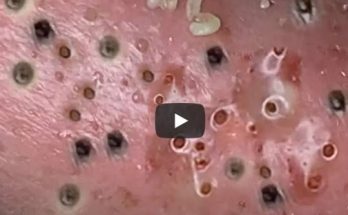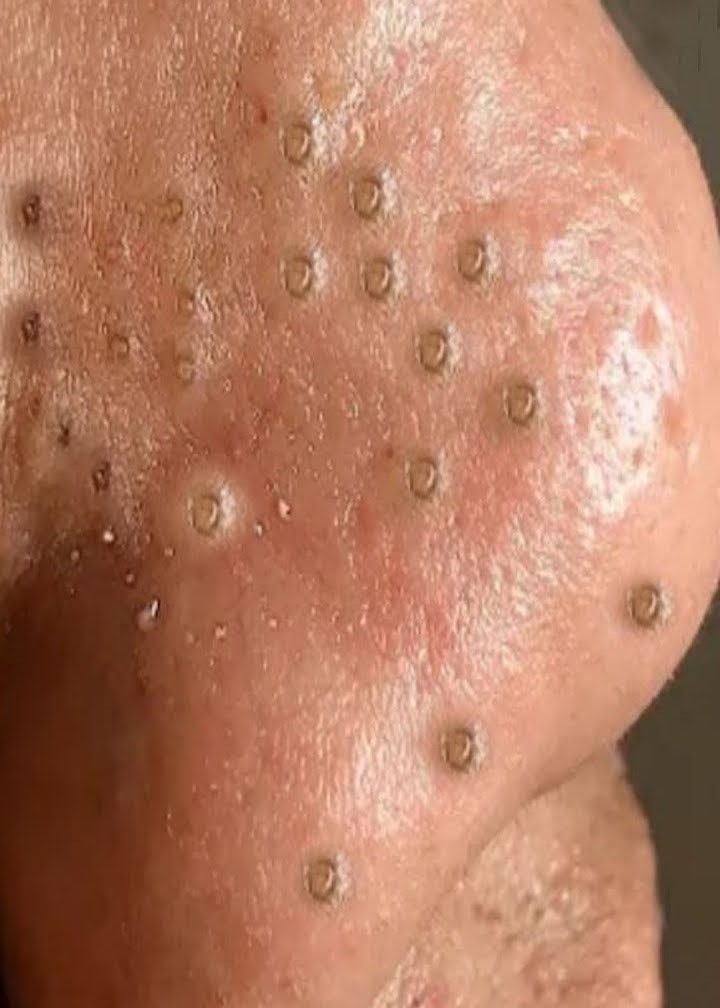
The photograph captures a skin texture characterized by numerous tiny, open, and often slightly depressed circular marks. This appearance is highly characteristic of skin immediately after the removal of plugs from the follicles. These plugs are typically:
-
Blackheads (Open Comedones): These are pores clogged with sebum (oil), dead skin cells, and keratin. The top of the clog oxidizes upon exposure to air, giving it a dark, “black” appearance.
-
Sebaceous Filaments: These are natural, tube-like structures that line the pore, channeling sebum to the skin’s surface. They are not a form of acne, but when the sebum is thick and oxidized, they can appear dark and resemble blackheads, particularly on the nose.
The distinct, empty circles visible in the image are the follicular openings from which these plugs have been extracted, either manually (by a professional) or using a suction/vacuum device. This leaves the pores temporarily wide open and highly visible.
🔬 The Science of Clogged Pores
To appreciate the need for the treatment suggested by the image, we must first understand the structure of the skin and how pores become congested.
The Role of the Pilosebaceous Unit
The skin’s pores are actually the openings of the pilosebaceous unit, which consists of a hair follicle and an attached sebaceous gland.
-
Sebaceous Glands produce sebum, a waxy, oily substance essential for lubricating the skin and hair.
-
Hair Follicle acts as the channel through which sebum reaches the skin’s surface.
The Formation of Blackheads
Congestion occurs when the process of sebum delivery is disrupted:
-
Excess Sebum Production: Hormonal changes, genetics, and environment can lead to an overproduction of oil.
-
Impaired Shedding of Dead Skin Cells (Hyperkeratinization): Instead of shedding normally, dead skin cells stick together and mix with the sebum, forming a hard plug (a microcomedone) deep within the follicle.
-
Oxidation: When this plug reaches the skin’s surface and is exposed to air, the melanin and lipids within it oxidize, turning the top layer dark. This is the classic blackhead.
✨ Pore-Cleansing Techniques and Post-Care
The appearance in the photo is the result of a treatment designed to clear these blockages.
Common Extraction Methods
The precise, clean holes suggest a highly focused removal method:
-
Manual Extractions: Performed by a dermatologist or licensed aesthetician, this involves applying pressure (often with sterile tools like a comedone extractor) to physically push the hardened plug out of the pore.
-
Pore Vacuum/Suction: Devices that use controlled suction to pull the contents from the follicle. If improperly used, this method can cause bruising or capillary damage.
Immediate Post-Extraction Care
Immediately after aggressive extraction, the skin is vulnerable and requires gentle care. The pores are empty and open, which can lead to:
-
Temporary Redness and Inflammation: Due to the physical manipulation of the skin.
-
Risk of Infection: The open pores are susceptible to bacteria and environmental contaminants.
-
Dehydration: The natural oil barrier has been temporarily stripped in those areas.
Key Post-Care Steps:
-
Soothing: Applying a cool compress or soothing ingredients like aloe vera or centella asiatica to reduce redness.
-
Protection: Using a non-comedogenic, hydrating moisturizer to support the skin barrier.
-
Sunscreen: Crucially, sun exposure can worsen post-inflammatory hyperpigmentation (PIH) on traumatized skin.
-
Avoidance: Abstaining from harsh exfoliants (like retinoids or strong acids) for a few days until the skin heals.
🚫 Preventative Maintenance: Keeping Pores Clear
Extraction is a temporary solution; without proper maintenance, the pores will inevitably clog again. The long-term strategy focuses on regulating oil production and promoting healthy cell turnover.
🧪 Effective Skincare Ingredients
The most effective ingredients for preventing blackheads and sebaceous filaments work by exfoliating inside the pore:
-
Salicylic Acid (BHA): This oil-soluble acid can penetrate the oil/sebum mixture and dissolve the bonds holding dead skin cells together within the pore. This helps prevent the initial plug formation.
-
Retinoids (Vitamin A derivatives): Tretinoin and over-the-counter retinol normalize cell turnover, preventing dead cells from accumulating and forming the microcomedone.
-
Niacinamide (Vitamin B3): Helps to reduce oil production and improve the overall barrier function of the skin, which can indirectly minimize pore visibility.
In conclusion, the image provides a stark, fascinating view of the skin immediately following a focused and thorough pore-cleansing treatment. While visually dramatic, it illustrates the temporary state of empty pores that require immediate soothing and protection, followed by a consistent, preventative skincare routine to maintain long-term clarity.
Would you like to know more about the proper technique for at-home blackhead extraction or get product recommendations for preventative care?