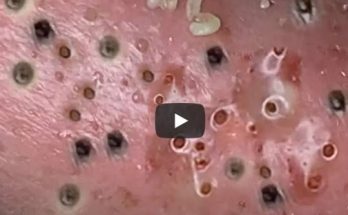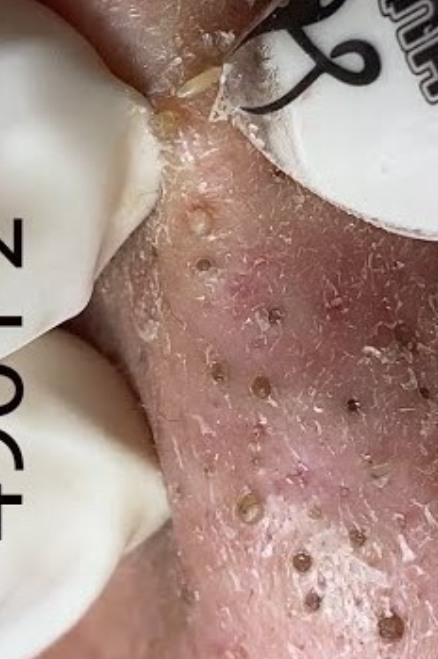
The images provided show a close-up of skin featuring numerous lesions that are characteristic of acne vulgaris or related pore-clogging conditions. Specifically, the first image clearly depicts multiple blackheads (open comedones) undergoing extraction, with the dark oxidized plugs being physically removed. The second image shows the surrounding skin with many smaller, developing comedones and possibly some minor inflammation.
Here is a long article detailing the nature of these common skin conditions, the critical importance of proper pore management, and the risks associated with manual extraction.
The Hidden World of Pores: Understanding and Treating Comedones and Follicular Plugs
The health of our skin is critically linked to the function of our pores, the small openings for the pilosebaceous units (hair follicles and their associated oil glands). When these units malfunction, the result is a variety of skin lesions, with comedones—specifically blackheads and whiteheads—being the most prevalent. The images illustrate a severe presentation of clogged pores, emphasizing the need for professional intervention.
The Anatomy of a Clogged Pore
A blackhead, or open comedone, is not dirt trapped in the pore, but rather a plug composed of three main components:
-
Sebum: The oily, waxy substance produced by the sebaceous gland to keep the skin lubricated.
-
Keratinocytes: Dead skin cells that line the hair follicle.
-
Keratin: A structural protein.
When the dead skin cells fail to shed properly (follicular hyperkeratinization) and combine with excess sebum (seborrhea), they form a dense plug, known as a microcomedone.
Blackheads vs. Whiteheads
The difference between the two main types of non-inflammatory acne lies in the pore opening:
-
Blackheads (Open Comedones): The pore remains open, and the contents of the plug are exposed to the air. The black color is caused by the oxidation of melanin and lipid content when they react with oxygen, similar to how a cut apple turns brown.
-
Whiteheads (Closed Comedones): The pore opening is completely closed off by a thin layer of skin. This prevents oxidation, causing the plug to appear white or flesh-colored.
Causes of Severe and Persistent Pore Clogging
The prevalence of numerous blackheads, as seen in the images, suggests several underlying factors are contributing to the skin condition:
-
Hormonal Influence: The primary cause is often the hormonal stimulation of the sebaceous glands, usually by androgens. This leads to the characteristic seborrhea (overproduction of oil).
-
Genetics: An individual’s genetic makeup strongly influences the size and activity of their sebaceous glands and the rate of cell turnover.
-
Comedogenic Products: Using thick, oil-based, or pore-clogging products (makeup, sunscreens, moisturizers) that are not labeled as “non-comedogenic” can physically contribute to the blockage.
-
Environmental Factors: Exposure to high humidity and certain forms of pollution can exacerbate the accumulation of material in the pores.
The Procedure: Manual Comedone Extraction
The first image shows the process of manual extraction, which involves physically removing the plug from the pore. This is typically done using an extractor tool or the application of precise pressure.
The Rationale for Professional Extraction
For patients with a high density of deeply rooted blackheads that are resistant to topical medications, professional extraction by a licensed dermatologist or esthetician is often the most effective method for immediate clearance.
-
Immediate Results: Extraction offers instant cosmetic improvement by clearing the pore.
-
Reduced Inflammation Risk: Removing the comedo prevents the buildup of pressure that could lead to the rupture of the follicle wall, a process that turns a non-inflammatory blackhead into an inflamed papule or pustule.
-
Optimizing Treatment: Cleared pores are better able to absorb and utilize active ingredients from topical acne treatments, such as retinoids.
The Dangers of Improper Extraction
The use of unsanitary or blunt instruments and the application of excessive force can be detrimental, which is why at-home “popping” or extraction is strongly advised against.
| Risk of Improper Extraction | Description |
| :— | :— |
| Infection | Introduction of bacteria from hands or unsterilized tools. |
| Scarring | Permanent divots or depressions in the skin (atrophic scars) due to deep tissue damage. |
| Post-Inflammatory Hyperpigmentation (PIH) | Persistent dark spots left behind after the lesion or trauma heals. |
| Pore Rupture | Forcing the plug deeper into the skin, leading to a severe inflammatory nodule or cyst. |
Long-Term Management and Prevention Strategies
A sustainable approach to managing a high volume of comedones involves a consistent, multi-faceted treatment plan focused on preventing new blockages.
1. Topical Therapy (The Foundation)
The most effective long-term treatment for comedones involves topical agents that normalize cell shedding and reduce oiliness:
-
Topical Retinoids: Derivatives of Vitamin A (e.g., Tretinoin, Adapalene) are essential as they are the only class of medications that normalize the hyperkeratinization process and prevent the formation of the microcomedone. They are crucial for maintenance therapy.
-
Salicylic Acid (BHA): This beta-hydroxy acid is oil-soluble, allowing it to penetrate the pore and act as a chemical exfoliant to dissolve the existing plug material.
-
Benzoyl Peroxide: While primarily an antimicrobial agent, it also has mild comedolytic (pore-clearing) and exfoliating properties.
2. Adjunctive Treatments
For severe cases, a dermatologist may recommend:
-
Chemical Peels: Using higher concentrations of Salicylic Acid or Glycolic Acid (an AHA) to rapidly exfoliate the top layers of the skin, promoting pore clearance.
-
Oral Medications: In cases where comedonal acne transitions to inflammatory acne, short courses of oral antibiotics may be necessary to control bacterial proliferation and inflammation.
By understanding the biological mechanisms behind blackhead formation and adhering to professional treatment guidelines, individuals can achieve significant long-term clarity and prevent the severe pore-clogging shown in the images.
Would you like to know more about the proper application of topical retinoids, or the difference between salicylic acid and other exfoliants?